
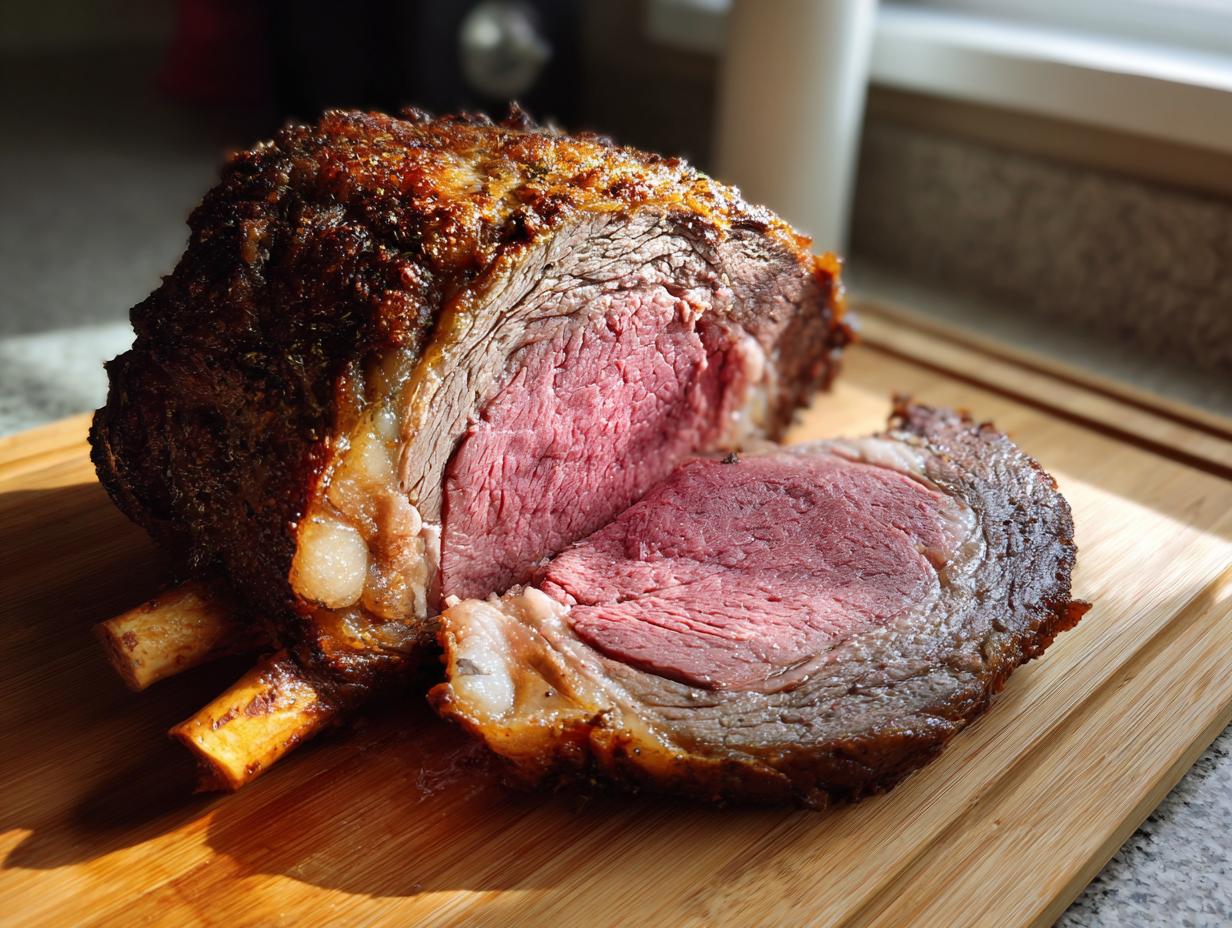
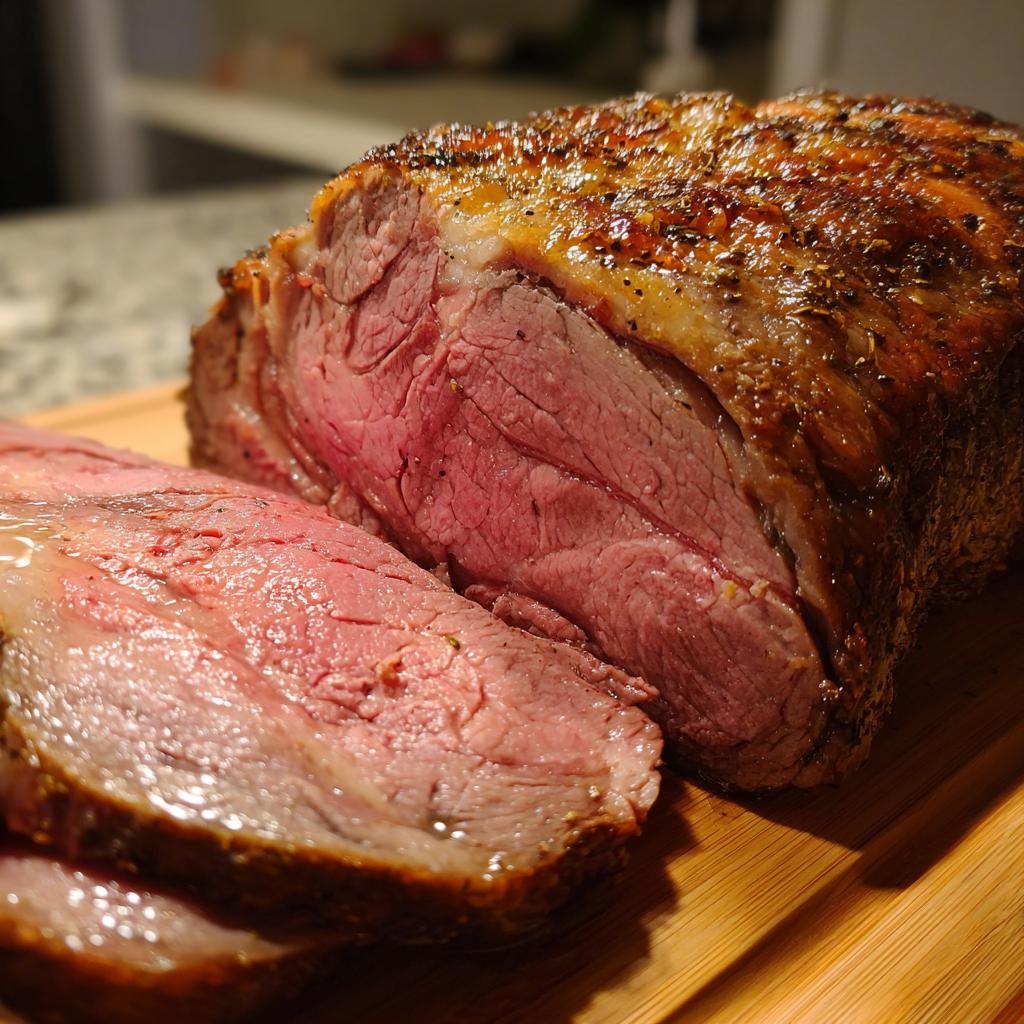
Okay, picture this: a table laden with your favorite sides, flickering candlelight, and at the center of it all, a magnificent, juicy prime rib. Sounds fancy, right? Well, guess what? You can totally do that! I remember one Christmas, I attempted my first prime rib and, let me tell you, it was a disaster zone in the kitchen. But after a lot of trial and error (and maybe a few burnt bits), I finally figured out the secrets to a truly restaurant-quality Perfect Prime Rib — Carving & Resting Tips Inside! It’s all about a few key steps, and trust me, the payoff is HUGE. This isn’t just dinner; it’s an event!
Why You’ll Love This Perfect Prime Rib
Honestly, it’s the best because:
- Flavor Bomb Alert! That simple rub means a crust you’ll dream about, with a juicy, tender inside.
- Easier Than You Think: Seriously, if I can do it, you totally can! The steps are super clear.
- Total Crowd-Pleaser: It looks so fancy, but it’s your secret weapon for wowing everyone at holidays or birthdays.
- Impress Without the Stress: Get that amazing restaurant taste right in your own kitchen. You deserve it!
Essential Ingredients for a Perfect Prime Rib
Alright, for this showstopper Prime Rib, you don’t need a whole pantry full of fancy stuff. It’s all about good quality basics! Here’s what you’ll need:
- One bone-in prime rib roast: Aim for about 4 to 5 pounds. Getting it bone-in really helps with flavor and keeps it moist.
- 2 tablespoons kosher salt: This is my go-to. It gives you that perfect crust. You can check out why kosher salt is the best here!
- 1 tablespoon black pepper: Make sure it’s freshly ground – it makes *such* a difference!
- 1 tablespoon garlic powder: For that savory punch.
- 1 tablespoon onion powder: Adds a little something extra, you know?
- 1/2 cup unsalted butter, softened: Softened is key here so it spreads like a dream.
See? Simple, right? These guys work together to make that amazing flavor happen!
Equipment Needed for Perfect Prime Rib
Okay, so you’ve got your ingredients, now let’s talk tools! You don’t need a whole professional kitchen, but these few things will make your Perfect Prime Rib journey so much smoother. Trust me, having the right gear makes all the difference!
- Roasting pan: A sturdy one is best, especially one that can handle the heat and has a little lip to catch those yummy juices.
- Meat thermometer: This is a MUST-HAVE! I’m talking about one of those instant-read ones. It’s your secret weapon for nailing the perfect temperature every single time.
- Sharp carving knife: You need a knife that’s super sharp to get clean slices without shredding your beautiful roast.
Mastering the Perfect Prime Rib — Step-by-Step
Okay, it’s time to get cooking! Making a show-stopping Perfect Prime Rib isn’t some complicated secret ceremony, it’s really just about following a few steps carefully. My approach uses a high-heat blast to get that glorious crust, then a lower heat to gently cook the inside. It sounds a bit fancy, but trust me, it works like a charm! This method ensures you get that perfect combo of a crispy, savory outside and a tender, juicy inside. Make sure you’ve got your meat thermometer handy – it’s a total game-changer for hitting that sweet spot of doneness. For more in-depth tips on temperatures and ingredients, check out this ultimate guide!
Preheating and Seasoning Your Perfect Prime Rib
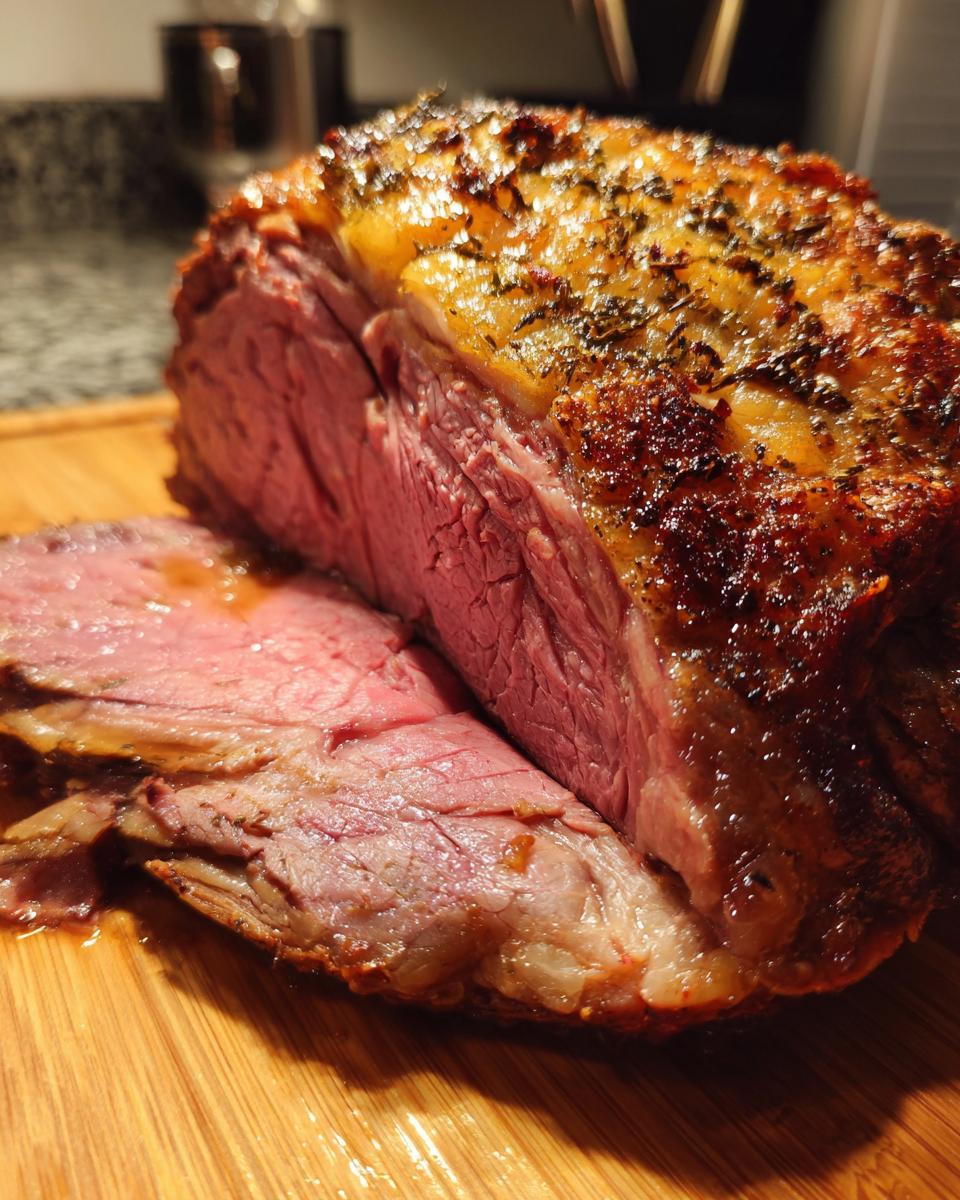
First things first, let’s get that oven singing! Crank it up to 450°F (230°C). While that’s heating, let’s prep our star. Pat that beautiful prime rib *really* dry with paper towels – this helps create that awesome crispy crust. In a little bowl, mix up your kosher salt, freshly ground black pepper, garlic powder, and onion powder. Now, get your hands in there and rub this savory mixture all over the roast. Don’t miss any spots! Then, place your seasoned roast, fat-side up, in your roasting pan. Finally, slather that softened butter all over the top. It adds richness and helps that crust brown up beautifully.
The Roasting Process: Temperature and Timing
Here comes the magic! Pop that seasoned roast into the preheated 450°F oven for just 15 minutes. This high heat is crucial for searing the outside and kicking off that amazing crust. After those 15 minutes, it’s time to turn the heat DOWN to 325°F (160°C). Now, let it roast slowly. The general rule of thumb is about 12-15 minutes per pound. But here’s the MOST important part: use your meat thermometer! You’re looking for 120°F (49°C) for rare, or 130°F (54°C) for medium-rare. Stick that thermometer deep into the thickest part, making sure you don’t hit any bone. When it hits your target temp, it’s time to pull it out!
The Crucial Resting Period for Perfect Prime Rib
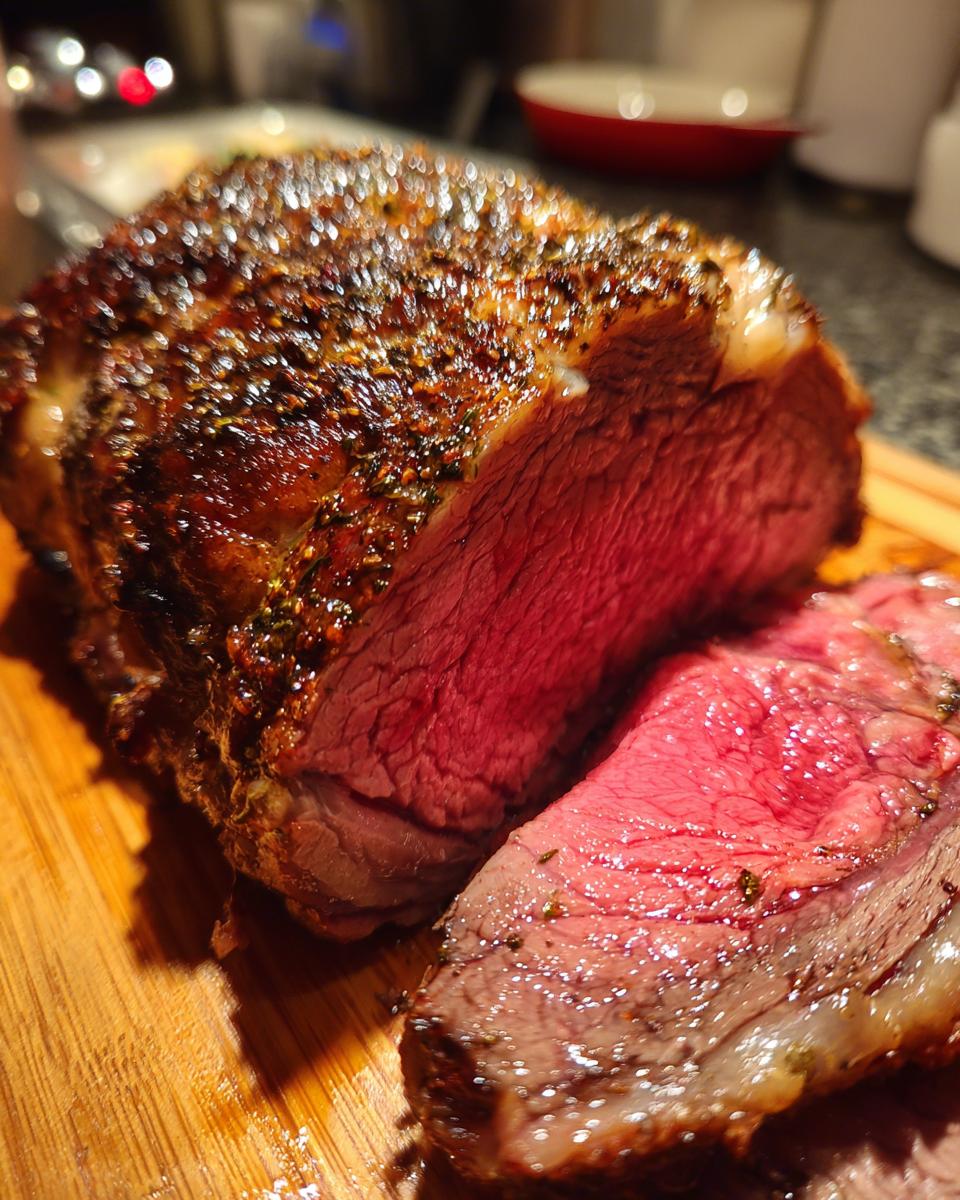
Okay, this next step is SO important, I almost want to put it in bold, underlined, and maybe wear a t-shirt about it. We just pulled that gorgeous prime rib out of the oven, right? Your instinct might be to carve it immediately, but PLEASE resist! This is where the magic of resting comes in, and it’s absolutely non-negotiable for a juicy, tender roast. When meat cooks, the muscle fibers tighten up and push all those delicious juices towards the center. If you cut into it right away, all those juices just spill out onto your cutting board, leaving you with a dry piece of meat.
By letting it rest for at least 30 minutes, loosely tented with foil (you want a little steam to escape, not get trapped!), those fibers relax. This allows the juices to redistribute evenly throughout the entire roast. It literally makes the difference between a good prime rib and a truly *spectacular*, melt-in-your-mouth Perfect Prime Rib. Don’t skip this part!
Mastering the Carving of Your Perfect Prime Rib
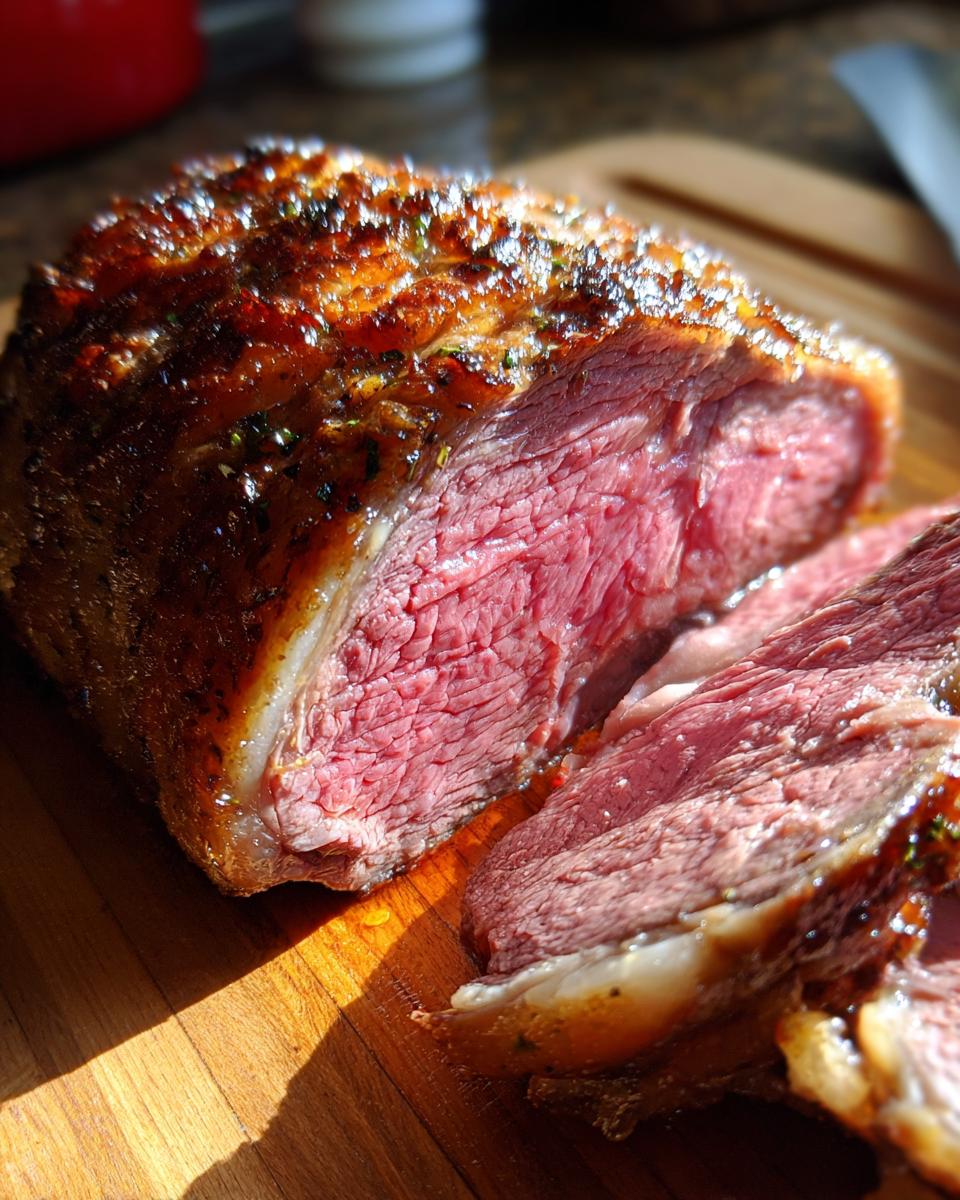
Alright, the moment we’ve all been waiting for – slicing into that gorgeous, perfectly rested prime rib! This is where you really finish off your masterpiece. The key to tender slices is simple: you’ve gotta carve *against the grain*. See those little lines running through the meat? That’s the grain. Slicing across those lines cuts through the muscle fibers, making it super tender. If you slice *with* the grain, the meat can feel a bit chewy, and nobody wants that!
If you’ve got a bone-in roast like the one we made, I sometimes like to carefully cut the meat away from the bones first. You can usually slide your knife right between the meat and the bones. Then, just roll that beautiful chunk of meat over and slice it against the grain. For a really steady hand, I like to brace the roast gently with my free hand, keeping the knife straight and moving it with smooth strokes. Don’t saw away; let that sharp knife do the work for you!
Tips for Success with Your Perfect Prime Rib
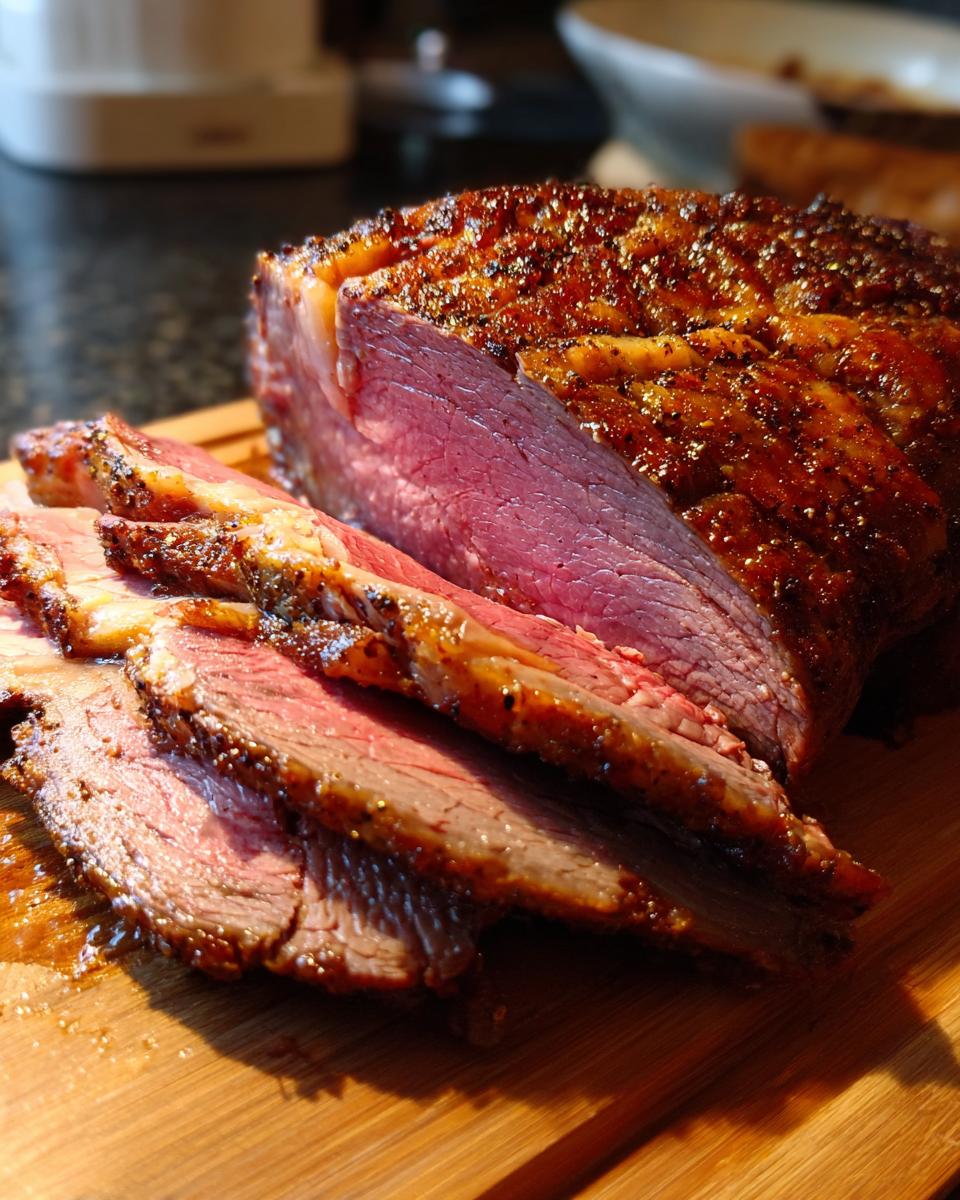
Okay, so we’ve talked about cooking, resting, and carving, but let me share a few little secrets that really make this Perfect Prime Rib sing. These are the things I learned along the way that just make everything *better*.
First off, when you’re picking out your roast, look for one with a good amount of marbling – those little white flecks of fat throughout the meat. That’s where all the flavor and juiciness comes from! Don’t be afraid of it; it melts right into the meat as it cooks.
Also, resist the urge to turn the oven up when you think it’s not cooking fast enough. That two-stage roasting (hot then lower heat) is seriously your best friend here. It ensures that perfect crust without overcooking the inside. Seriously, trust the process and your thermometer!
And here’s one more thing: don’t toss those bones! Once you’ve carved off the meat, those bones are GOLD for making the most amazing gravy or au jus. Simmer them with some veggies and broth, and you’ve got a flavor booster for your leftovers or a future meal. Want to know more about what makes great dinner recipes? Check out this guide!
Serving Suggestions for Your Perfect Prime Rib
Now that you’ve got this incredible Perfect Prime Rib, what are you going to serve alongside it? Honestly, it’s so good it almost doesn’t need anything else! But if you want to go the whole nine yards, I love pairing it with some classic comfort food. Think creamy mashed potatoes or some roasted root vegetables like carrots and parsnips. A simple green salad with a vinaigrette cuts through the richness perfectly. And if you’re feeling extra, maybe some Yorkshire puddings? So good! For more dinner ideas, check out these simple dinner recipes that are always a hit!
Frequently Asked Questions About Perfect Prime Rib
Got some burning questions about making your own amazing prime rib? I get it! It’s one of those dishes people always ask about. Here are a few of the most common ones I hear:
What is the best temperature for a medium-rare Perfect Prime Rib?
For me, medium-rare perfection is hitting about 130°F (54°C) with your thermometer before you let it rest. Remember, it’ll keep cooking a bit from the residual heat while it rests, so pulling it out right at that temp gives you a beautiful medium-rare finish.
Can I cook a Perfect Prime Rib from frozen?
Oh, honey, please don’t! Cooking a prime rib from frozen is a recipe for uneven cooking. The outside might get really well-done before the inside even starts to thaw properly. It’s always best to thaw your roast completely in the fridge, which can take a couple of days depending on the size. Plan ahead!
How do I prevent my Perfect Prime Rib from drying out?
This is the number one reason people stress, but it’s totally avoidable! The biggest culprits are overcooking and skipping the resting period. Make sure you’re using a meat thermometer and pulling it out at the right temperature. And seriously, let it rest for at least 30 minutes. That’s the secret sauce for keeping all those juicy flavors locked in!
Nutritional Information
Okay, so thinking about the actual nutrition numbers for a big, beautiful prime rib can feel a little overwhelming, but let’s break it down real quick. Remember, these are just estimates per serving, and they can totally change depending on the exact size of your roast, how much fat you trim off (or don’t!), and what else you’re serving it with. But generally, you’re looking at something like:
- Calories: Around 400-600 per serving (yep, it’s hearty!)
- Protein: Lots! Usually over 40g per serving.
- Fat: This varies a *lot* but can be anywhere from 25-50g, with a good chunk of that being the healthy kind from the marbling.
- Carbohydrates: Pretty much zero, unless you’re counting the tiny bits from the spices!
So, while it’s definitely a richer meal, it’s packed with good stuff like protein to keep you full and satisfied. It’s a splurge, for sure, but totally worth it for special occasions!
Share Your Perfect Prime Rib Experience!
Whew! We’ve made it through learning how to create an absolutely amazing Perfect Prime Rib. I really hope you’re feeling inspired to give it a try! I would absolutely LOVE to hear how yours turned out. Did you ace the carving on the first try? Did your family go wild for it? Please, leave a comment below and tell me all about it, or even better, share a pic on social media and tag me! You can always reach out via my contact page too if you have any last-minute questions. Happy cooking!
Perfect Prime Rib
Ingredients
Equipment
Method
- Preheat your oven to 450°F (230°C).
- Pat the prime rib dry with paper towels. In a small bowl, combine the kosher salt, black pepper, garlic powder, and onion powder. Rub the spice mixture all over the prime rib.
- Place the prime rib, fat-side up, in a roasting pan. Rub the softened butter over the top of the roast.
- Roast for 15 minutes at 450°F (230°C). Then, reduce the oven temperature to 325°F (160°C) and continue roasting for about 12-15 minutes per pound, or until a meat thermometer inserted into the thickest part of the roast (not touching bone) registers 120°F (49°C) for rare, 130°F (54°C) for medium-rare.
- Remove the prime rib from the oven and transfer it to a cutting board. Tent loosely with foil and let it rest for at least 30 minutes. This resting period is crucial for the juices to redistribute, ensuring a tender and moist roast.
- To carve, use a sharp knife. Slice against the grain. For bone-in roasts, you can carefully cut the meat away from the bones first, then slice.