
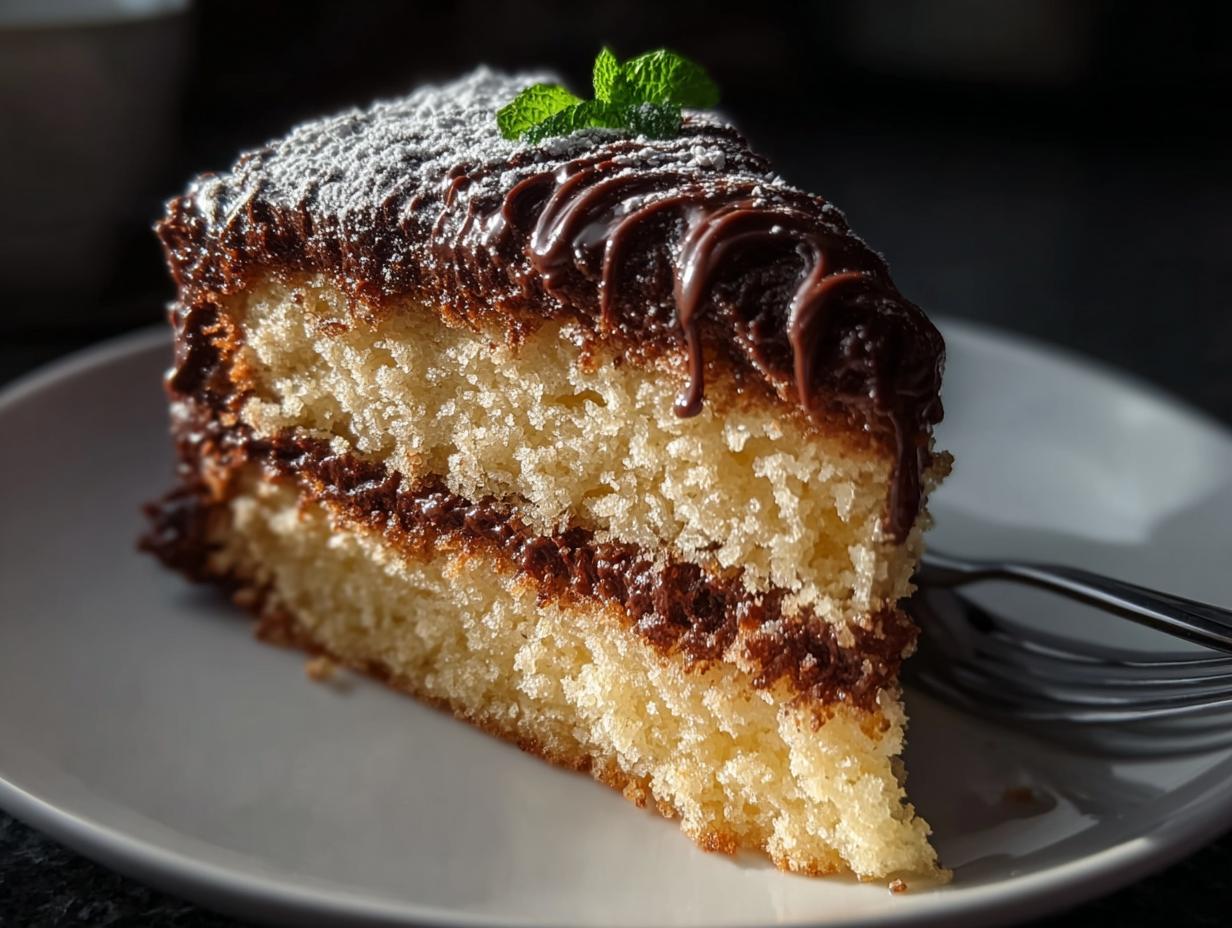
Oh, I know that feeling! You see those gorgeous layered cakes online, and that little voice in your head screams, “Never touch flour!” Baking cakes can feel like chemistry class gone wrong when you’re just starting out. Trust me, I’ve been there. My first ‘cake’ looked more like a delicious, sweet frisbee. That’s exactly why I put together something truly special: The Ultimate Cake Ideas Recipes Guide for Beginners. This isn’t about complexity; it’s about building confidence with foolproof steps!
We focus on the basics here—getting that perfect moist crumb without needing weird equipment or ingredients that cost a fortune. I want you to feel empowered in the kitchen, knowing you can create something wonderful for dessert tonight. Forget the fancy techniques for now; we are aiming for simple elegance and unbelievable flavor. Let’s ditch the fear and get stirring!
Who Needs The Ultimate Cake Ideas Recipes Guide for Beginners?
This guide is absolutely for you if the thought of whipping up a dessert makes your palms sweat. Are you someone who avoids baking because recipes always seem to demand precision you just don’t have yet? Yep, that’s audience number one!
It’s also perfect if you need a super reliable, quick cake idea for a last-minute event. This isn’t some fussy recipe that requires three different types of sugar. We’re aiming for ‘wow factor’ with minimal stress.
Simply put, if you want to successfully bake a completely delicious, moist cake from scratch and walk away feeling like a baking superhero, then The Ultimate Cake Ideas Recipes Guide for Beginners was written just for your kitchen adventures!
Setting the Stage: Essential Equipment for The Ultimate Cake Ideas Recipes Guide for Beginners
Okay, before we even look at the flour, we need to chat about our tools. Don’t worry, you don’t need a stand mixer the size of a small car! For this version of The Ultimate Cake Ideas Recipes Guide for Beginners, we keep the list short and sweet, focusing on essentials.
First up, you absolutely need a couple of sturdy mixing bowls. I like one big one for the main event and a smaller one for whisking liquids. An electric mixer is really handy—it saves your arm muscle during the creaming step, though honestly, you *can* do it by hand if you’re feeling determined!
The specific mold we’re targeting is an 8-inch round cake pan. It’s the perfect size for a reliable bake time.
Here is the crucial part—my big secret for beginner success regarding the pan. You *must* prepare it right. Don’t just grease it! Line the bottom with a circle of parchment paper after you grease and flour the sides. This extra step means your cake releases perfectly intact, and you avoid that awful moment where you flip the pan and half the cake sticks to the bottom. Trust me on this pan prep!
Gathering Your Tools: Ingredients for The Ultimate Cake Ideas Recipes Guide for Beginners
Now we get to the fun part: gathering the raw supplies for The Ultimate Cake Ideas Recipes Guide for Beginners. Because this recipe is designed to be super reliable, you’ll find the ingredient list is short and straightforward. No weird powders or extracts you can only find in specialty stores!
We’ll break this down into one main group, as everything goes into the batter at some point. I always use an ingredient list like this as a little checklist to make sure I haven’t forgotten anything vital.
For the Cake:
- 1.5 cups All-purpose flour (Make sure you sift this! It makes a huge difference in fluffiness.)
- 1 cup Granulated sugar
- 1 tsp Baking powder
- 0.5 tsp Salt
- 0.5 cup Unsalted butter (It has to be softened, remember? Not melted, just soft enough to press a finger into easily.)
- 2 large Eggs
- 0.5 cup Milk
- 1 tsp Vanilla extract
See? Totally manageable. These are pantry staples, which is exactly what we want when we are building up our baking confidence.
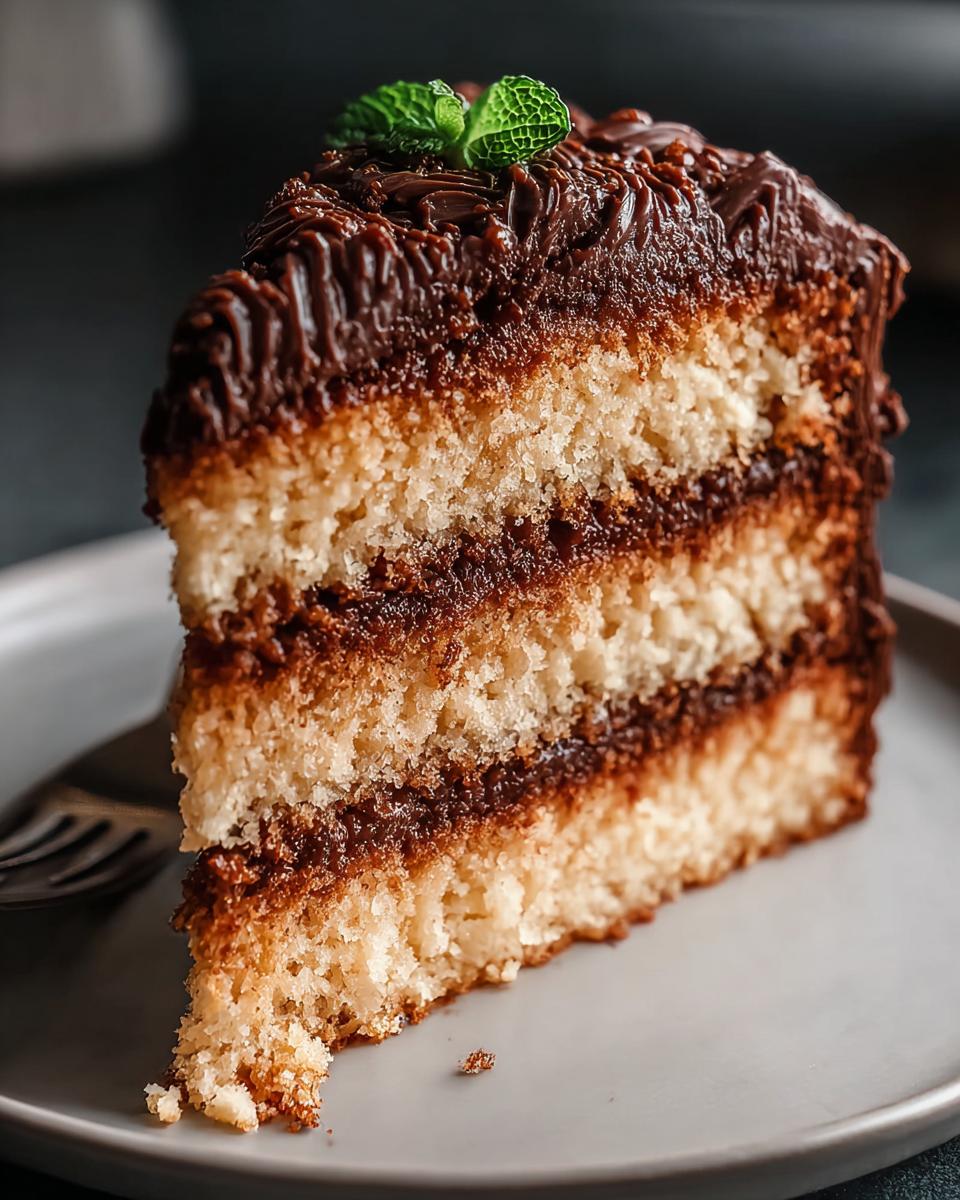
Ingredient Notes and Substitution Tips
While the recipe is set, I always encourage people to listen to their gut a little—especially when it comes to moisture! That’s where substitution comes in handy, and it shows you’re learning the *whys* behind the recipe.
If you want to elevate the final texture just a tiny bit, try this: swap the regular milk for buttermilk. Buttermilk has a little acidity that reacts beautifully with the baking powder, leading to a softer, slightly richer crumb. It’s one of those small tweaks that makes you feel like a pro baker!
Also, don’t freak out if your butter isn’t perfectly soft. If you totally forget to take it out ahead of time (it happens to the best of us!), you can cut it into very small cubes and microwave it on the lowest power setting for just 5-second bursts until it yields slightly. Just be *super* careful, because if it starts to look shiny or greasy, you’ve gone too far, and you’ll need to start over with new butter!
Step-by-Step Baking: Instructions for The Ultimate Cake Ideas Recipes Guide for Beginners
Alright, time to get those bowls dirty! Every step here is designed to build confidence for our whole guide, The Ultimate Cake Ideas Recipes Guide for Beginners. Pay attention to the oven temperature right away—we need that steady heat.
First things first: Preheat your oven to 350°F (or 175°C). While that’s warming up, make sure your 8-inch round cake pan is treated right—greased *and* floured, just like we talked about with the parchment paper recommendation!
Next, grab your big bowl for the dry stuff. You’re going to whisk together the flour (make sure it’s sifted!), the sugar, the baking powder, and the salt. Get it airy and combined.
Here’s where I almost ruined my first attempt. Remember that softened butter? I once tried cutting corners and using butter that was way too cold, and the mixer just couldn’t incorporate it into the dry ingredients properly. It ended up looking sandy instead of crumbly! You need that butter soft so it creams.
Add that softened butter to your dry mix. Beat it on low speed, and keep mixing until that mixture starts looking like coarse, happy little crumbs. That’s the texture we want before we add the wet stuff.
In a separate little bowl—don’t skip this separation!—lightly beat your two eggs. Then, you’ll add those beaten eggs, the milk, and the vanilla extract right into that buttery crumb mixture. Mix it on medium speed, but listen to me: only mix until everything has *just* come together. You should see no more streaks of dry flour.
Pour that lovely batter directly into your prepared pan, spread it evenly with a spatula, and slide it into that hot oven. It needs about 30 to 35 minutes. The best way to check is the toothpick test—if it comes out clean, we’re golden!
Don’t rush the cooling! Let it hang out in the pan for a full 10 minutes. It’s fragile when it’s fresh out of the heat. After those ten minutes, carefully flip it onto a wire rack to cool completely before you even think about frosting it. Patience pays off here!
Mixing Techniques: Avoiding Overmixing
If there is one single rookie mistake that turns a perfectly good cake batter into something tough and chewy, it’s overmixing once the liquid hits the flour. This is the most important technique for success in The Ultimate Cake Ideas Recipes Guide for Beginners.
When you add the eggs, milk, and vanilla, you are developing gluten in that flour you sifted so nicely. Gluten is great in bread, but in cake, too much of it makes the final product dense and rubbery—not light and tender!
So, when you turn the electric mixer on medium speed, you’re just aiming for the point where the last bits of flour disappear. Stop the mixer immediately. It’s okay if there’s still a tiny, tiny bit of texture visible; that will smooth out as it bakes. If you mix until it’s perfectly smooth and glossy like caramel sauce, you’ve gone too far, and you’ll end up with a cake that fights back when you cut it!
Troubleshooting Common Hurdles in The Ultimate Cake Ideas Recipes Guide for Beginners
Even with a simple recipe like this, things can go a little sideways, and that’s perfectly normal! In my early days following baking instructions, I thought a flop meant I was a total failure, but it just meant the ingredients disagreed with the temperature that day. Don’t let a little hiccup stop you from trying The Ultimate Cake Ideas Recipes Guide for Beginners again!
Let’s tackle the two biggest worries beginners face with this type of simple cake recipe.
My Cake Popped Up in the Middle and Sunk When It Cooled
That volcano effect on your first cake is usually one of two things, and both are easy fixes next time. Nine times out of ten, it means your oven temperature was too hot and the edges set way before the center had a chance to finish baking.
The outside cooks too fast, traps the steam, and then when you pull it out, the middle collapses because it wasn’t actually done. My suggestion? Grab an inexpensive oven thermometer. Ovens lie about their temperature all the time! Make sure you are hitting that steady 350°F we called for.
The other reason? Opening the oven door too early! If you peeked around the 20-minute mark, that sudden rush of cool air can cause the whole structure to deflate. Promise me you’ll wait until those 30 minutes are up before testing it.
The Cake Tastes Good, But It’s a Little Dry
This is the saddest sound in baking, isn’t it? It usually traces back to either the butter or the mixing. Did you make sure your butter was softened and not melted? Melted butter doesn’t hold air the way softened butter does when you cream it with the sugar, and that air is what keeps the cake tender.
Alternatively, if you mixed the batter too long after adding the milk and eggs, you developed too much gluten. Remember what I said about stopping right when the streaks disappear? If you keep that electric mixer going past that point, the finished product will be tougher and drier because those gluten strands tighten up during baking.
If you find it’s slightly dry even after following the steps, remember that little trick I mentioned earlier? Swapping milk for buttermilk is the best way to guard against dryness in future bakes for The Ultimate Cake Ideas Recipes Guide for Beginners!
Serving and Storing Your Beginner Cake
Phew! You baked a perfect cake! Now, how do you present this beautiful creation and make sure it tastes just as good tomorrow? We’re keeping it simple here, just like the rest of the recipe.
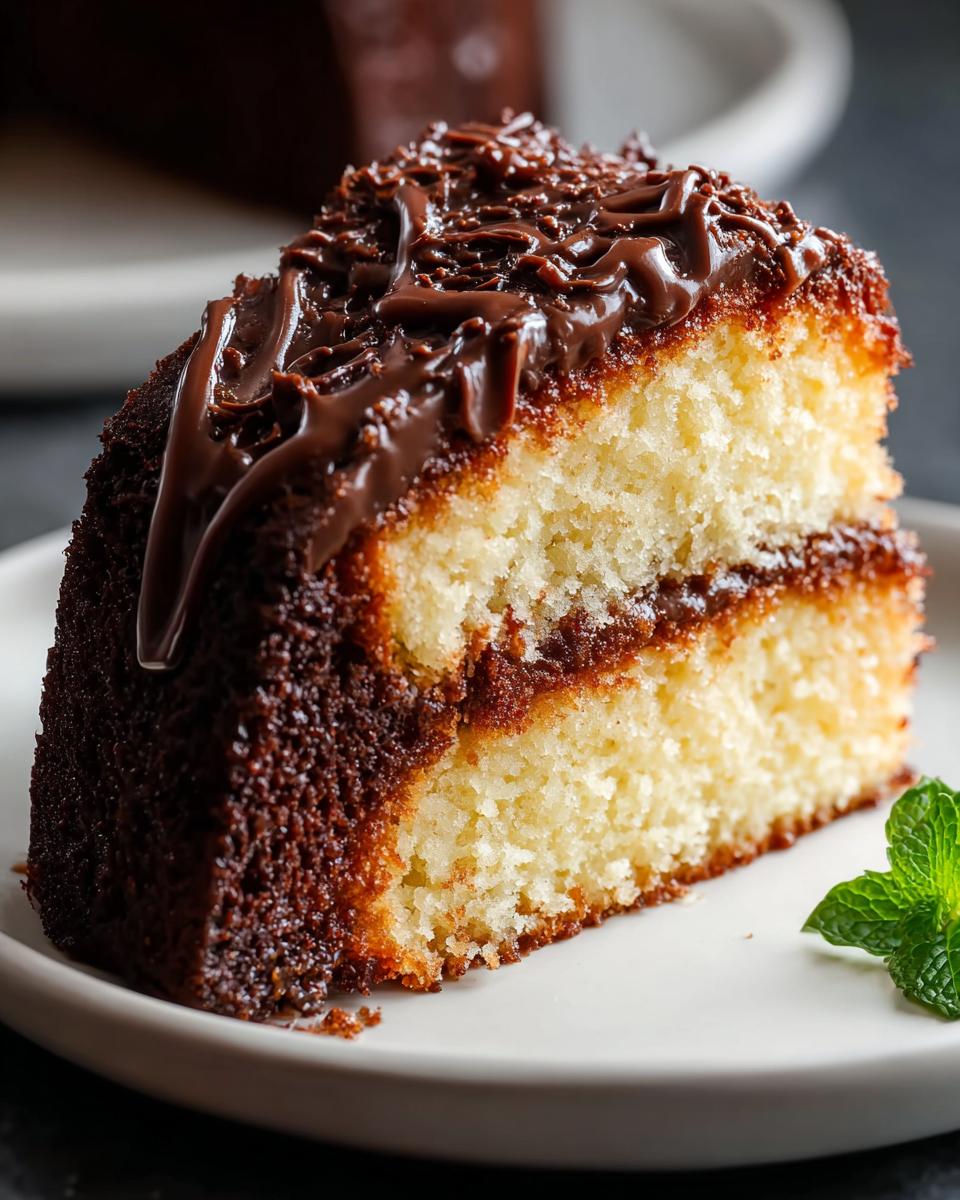
Because this cake is already so moist on its own, it honestly doesn’t need a ton of heavy dressing up. If you want to keep things quick, a simple dusting of powdered sugar while it’s still slightly warm is absolutely elegant. It lets the delicate vanilla flavor really shine through.
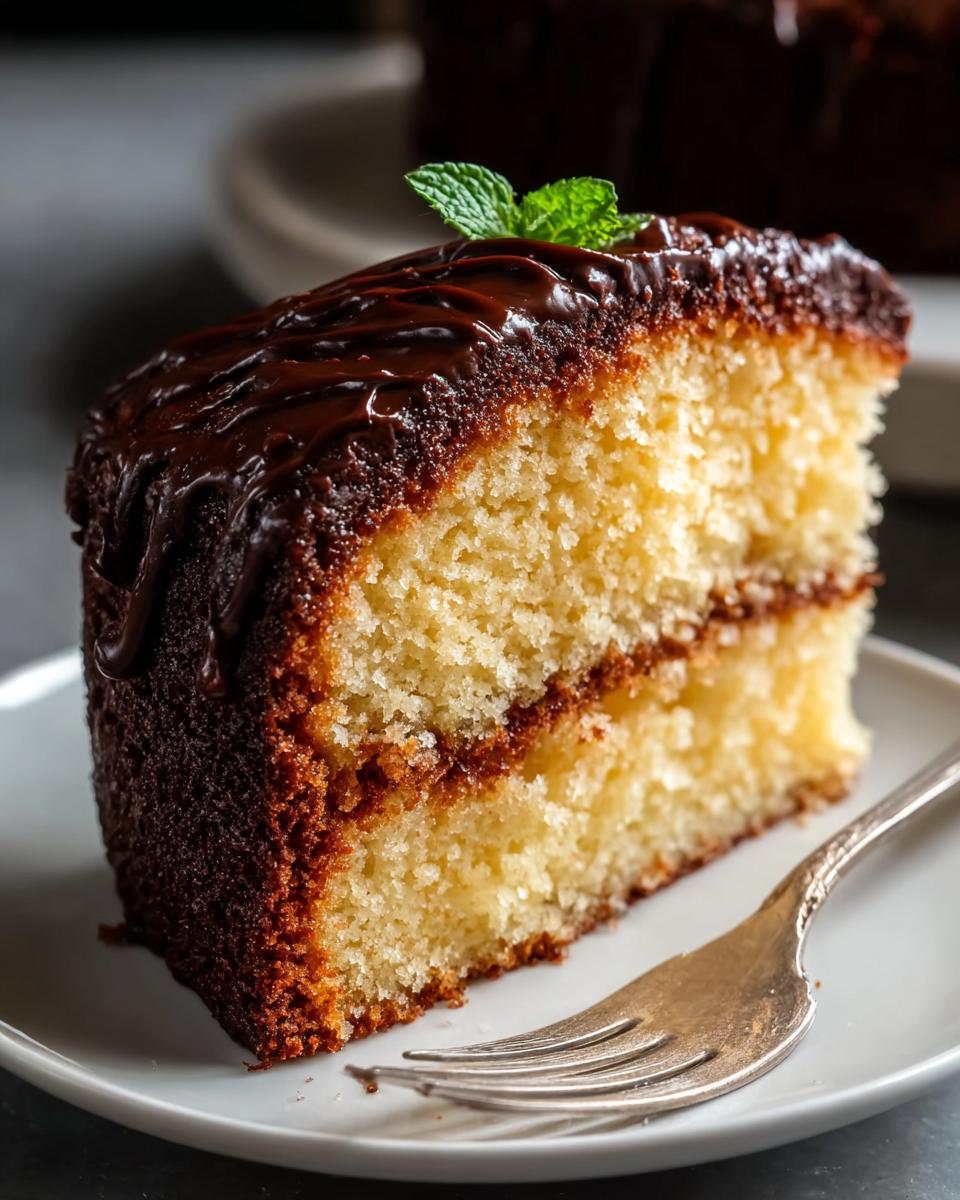
If you decide you want a little something extra, the recipe notes mentioned a simple vanilla buttercream. Honestly, don’t overcomplicate the frosting for your first successful bake! Just beat some soft butter with powdered sugar, a splash of milk, and your vanilla extract until it’s fluffy. Spread it on once the cake is completely cool—and I mean *completely* cool, or you’ll end up with soup!
When it comes to storage, this cake is pretty forgiving. If you’re planning on eating it all within two days, keeping it covered tightly at room temperature is totally fine. The sugar content helps preserve it nicely.
If you need it to last longer, or if you decide to use a cream cheese-based frosting (which you absolutely should try next time!), refrigeration is your friend. Store it in an airtight container. When you’re ready to serve a slice later, just let it sit out on the counter for about 30 minutes first. Cold cake tends to taste a little dull, so letting it warm up slightly brings all those lovely vanilla and butter notes right back out. You deserve to enjoy every bite, especially after tackling your first successful bake using this guide! Find some great ideas with lightened-up dinner ideas to pair with your sweet treat!
Frequently Asked Questions About The Ultimate Cake Ideas Recipes Guide for Beginners
I get so many great questions after people try The Ultimate Cake Ideas Recipes Guide for Beginners for the first time! That’s the fun part of baking—learning the little quirks. Since this is designed as a beginner recipe, I want to iron out any final confusion so your next attempt is even better than your first!
Can I swap the butter for oil in this simple cake recipe?
Oh, that’s a common question when people are trying to cut down on steps! Because this recipe relies heavily on creaming that softened butter with the sugar to incorporate air—which is what gives the cake its structure—I really, really caution against substituting with oil.
Oil makes for a very moist final product, yes, but it results in a denser, almost gummy texture because it doesn’t trap air like butter does when mixed. If you want that perfect, light crumb we aimed for in The Ultimate Cake Ideas Recipes Guide for Beginners, stick to the softened butter. If you want an oil-based cake, you’ll need a recipe specifically designed for that!
How can I be absolutely sure my simple dessert is done baking?
I totally understand the anxiety over under-baking! We mentioned the toothpick test, but sometimes that can be misleading if you happen to poke right into a moist air pocket. My rule of thumb has two extra checks:
First, look at the edges! When the cake is truly done, a little gap will usually form between the cake itself and the side of the pan. If it looks snug against the metal, give it another two minutes.
Second, the gentle touch test. Carefully open the oven door, and very lightly touch the center top of the cake with a clean fingertip. If it springs right back up without leaving a dent, it’s done. If your finger sinks in, it needs more time. This quick check is the best way to verify it’s cooked through without drying it out!
What is the secret to making sure my cake turns out moist every single time?
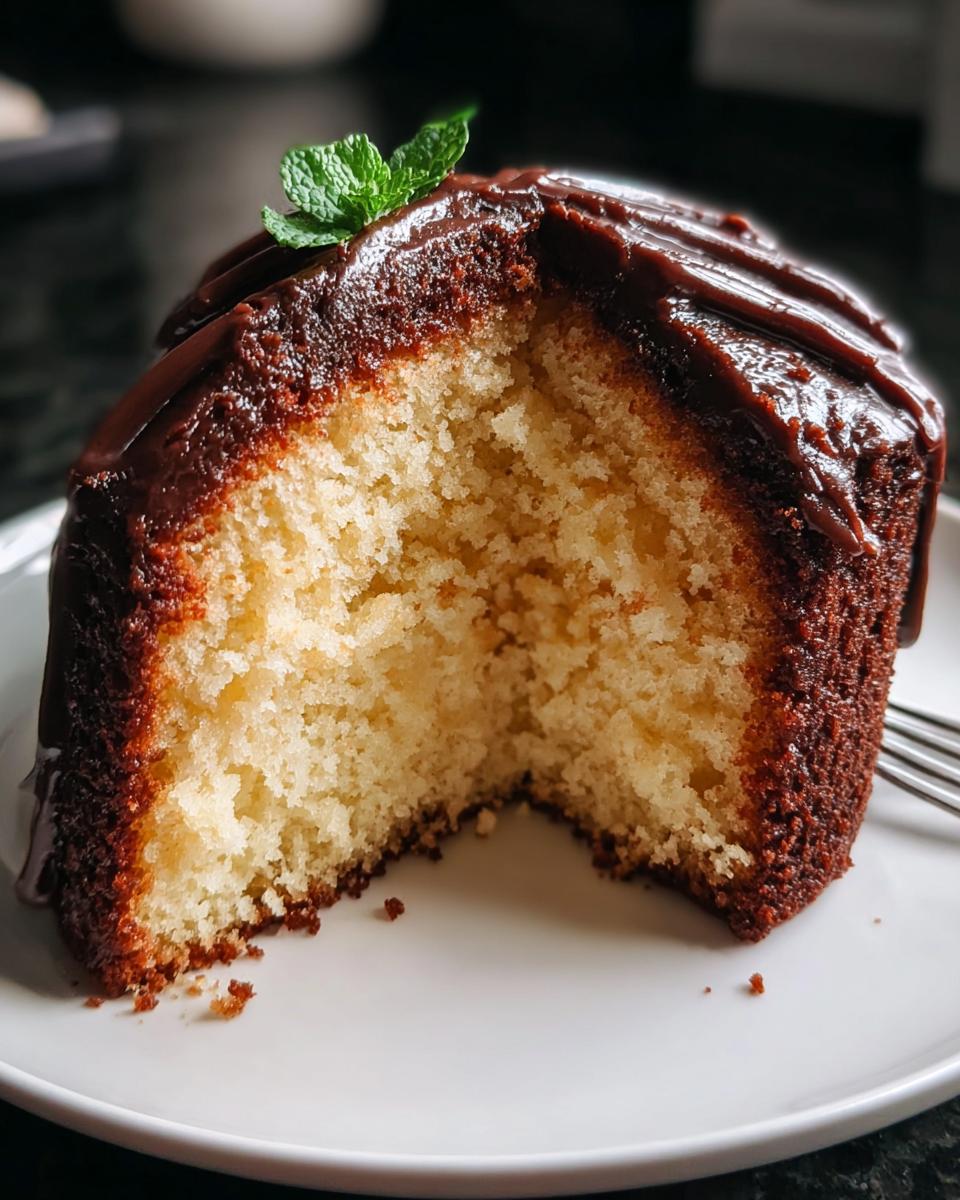
If you want that signature moistness, you need to focus on two main ingredients we used in The Ultimate Cake Ideas Recipes Guide for Beginners: sugar and fat. Seriously, the sugar is hygroscopic, which means it naturally attracts and holds onto moisture, helping keep your cake fresh!
Also, ensure your ingredient measurements are accurate. Too much flour is the number one killer of moisture. If you use too much flour, the batter will absorb all the liquid before the sugar has a chance to do its job. Use the ‘spoon and level’ method for measuring flour, or better yet, weigh it if you have a scale. Accurate measurement equals reliable moisture!
Next Steps After Mastering The Ultimate Cake Ideas Recipes Guide for Beginners
Seriously, stop scrolling right now and tell me how it went! Did you conquer that cake? I absolutely need to hear about it. Did you stick to the simple dusting of sugar, or did you brave the vanilla buttercream? Head down to the comments below and give this recipe a star rating—your feedback helps other new bakers build their own confidence!
If you managed to get through this first delicious success using The Ultimate Cake Ideas Recipes Guide for Beginners without any stress, then you’re ready for the next level!
Don’t let that baking momentum stop! If you are itching to try something else that focuses on clean habits but still gives you that wonderful feeling of creating something from scratch, go check out some of the other simple ideas in the main recipe section. You’ve proven you can handle the fundamentals now; it’s time to expand that repertoire!
I can’t wait to see what you bake up next!
Nutritional Snapshot for This Simple Cake
Alright, let’s talk numbers for just a second. Since this is a step-by-step guide meant to build confidence, I want you to understand what you’re eating, too! We made this recipe to serve 8 happy people, which helps keep the portion size reasonable for a nice slice of simple, homemade dessert.
Please remember that these figures are just estimates, okay? They are based on using standard commercial ingredients—like all-purpose flour, regular granulated sugar, and unsalted butter. If you swap out for almond flour or maple syrup, these numbers will totally change!
Here is a general breakdown per serving (based on 8 servings), assuming you top it with just a light dusting of sugar, not a heavy frosting:
- Estimated Calories: Approximately 280-310 Calories
- Total Fat: Around 14g (mostly from that necessary butter!)
- Protein: About 4g
- Total Carbohydrates: Roughly 36g
This is a straightforward cake, folks, not a kale smoothie, so don’t panic about the carbs and fat! Baking is about treating yourself and enjoying the process of creation. I see this as a fantastic foundational recipe that allows for that joy without any of the crazy restrictive ingredients you run into everywhere else. It’s a clean, simple way to enjoy a classic treat!
Author Information
By Hi, I’m EMILIA, the founder of MeltItClean.com – your digital space for natural weight loss, real wellness habits, and clean-living inspiration that actually fits your life.
For years, I struggled with the ups and downs of dieting. I tried everything — juice cleanses, low-carb crazes, fitness challenges — but I always ended up back where I started: tired, bloated, and frustrated. I didn’t just want to “lose weight” — I wanted energy, mental clarity, glowing skin, and confidence without sacrificing my joy or sanity.
After years of experimenting, learning, and unlearning, I discovered a simple truth: your body is already powerful — it just needs support, not restriction. That’s when I created Melt It Clean — a site dedicated to real transformation through clean, intentional, and nourishing daily habits that anyone can follow.
My goal was simple: build a place where people could feel informed, supported, and empowered without being overwhelmed by wellness fads.
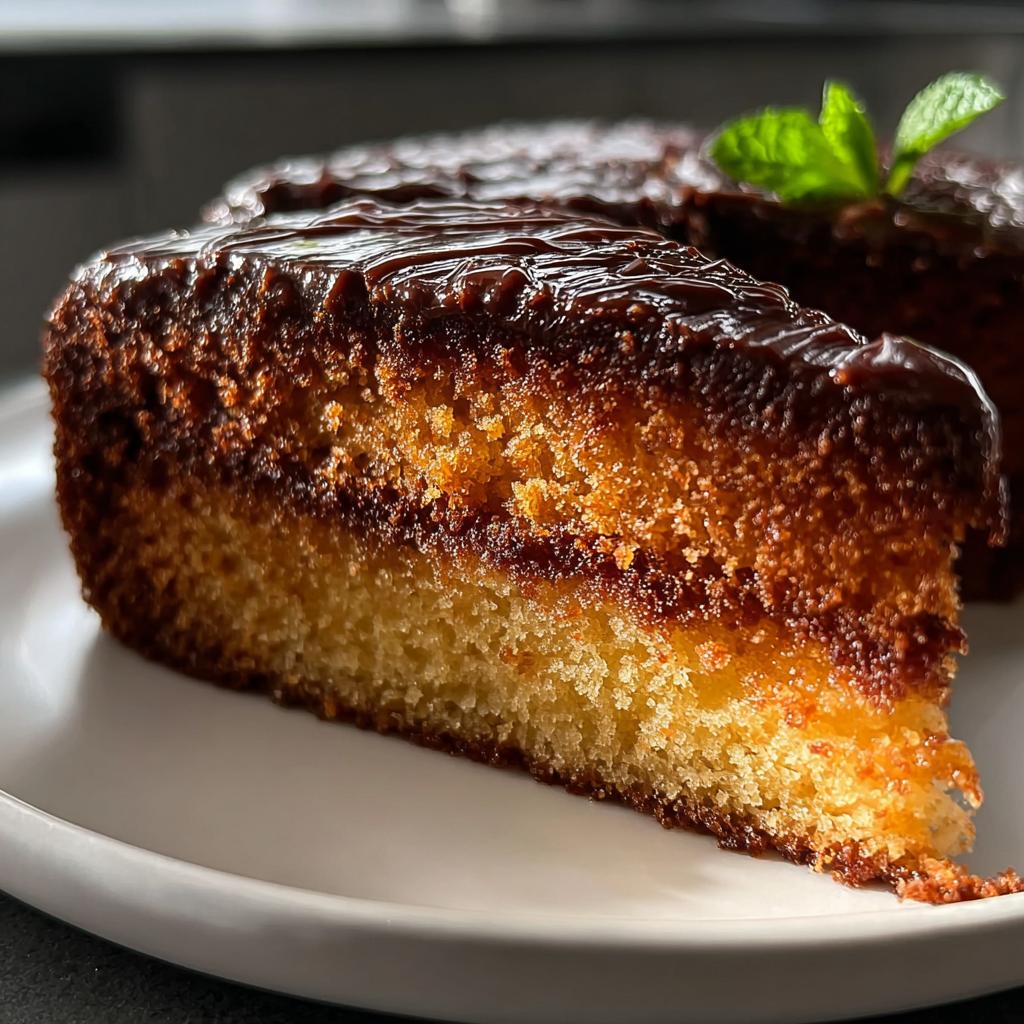
The Ultimate Cake Ideas Recipes Guide for Beginners
Ingredients
Equipment
Method
- Preheat your oven to 350°F (175°C). Grease and flour an 8-inch round cake pan.
- In a large bowl, whisk together the flour, sugar, baking powder, and salt.
- Add the softened butter to the dry ingredients. Beat with an electric mixer on low speed until the mixture resembles coarse crumbs.
- In a separate small bowl, lightly beat the eggs. Add the eggs, milk, and vanilla extract to the flour mixture. Mix on medium speed until just combined. Do not overmix.
- Pour the batter evenly into the prepared cake pan.
- Bake for 30 to 35 minutes, or until a toothpick inserted into the center comes out clean.
- Let the cake cool in the pan for 10 minutes before inverting it onto a wire rack to cool completely before frosting.