
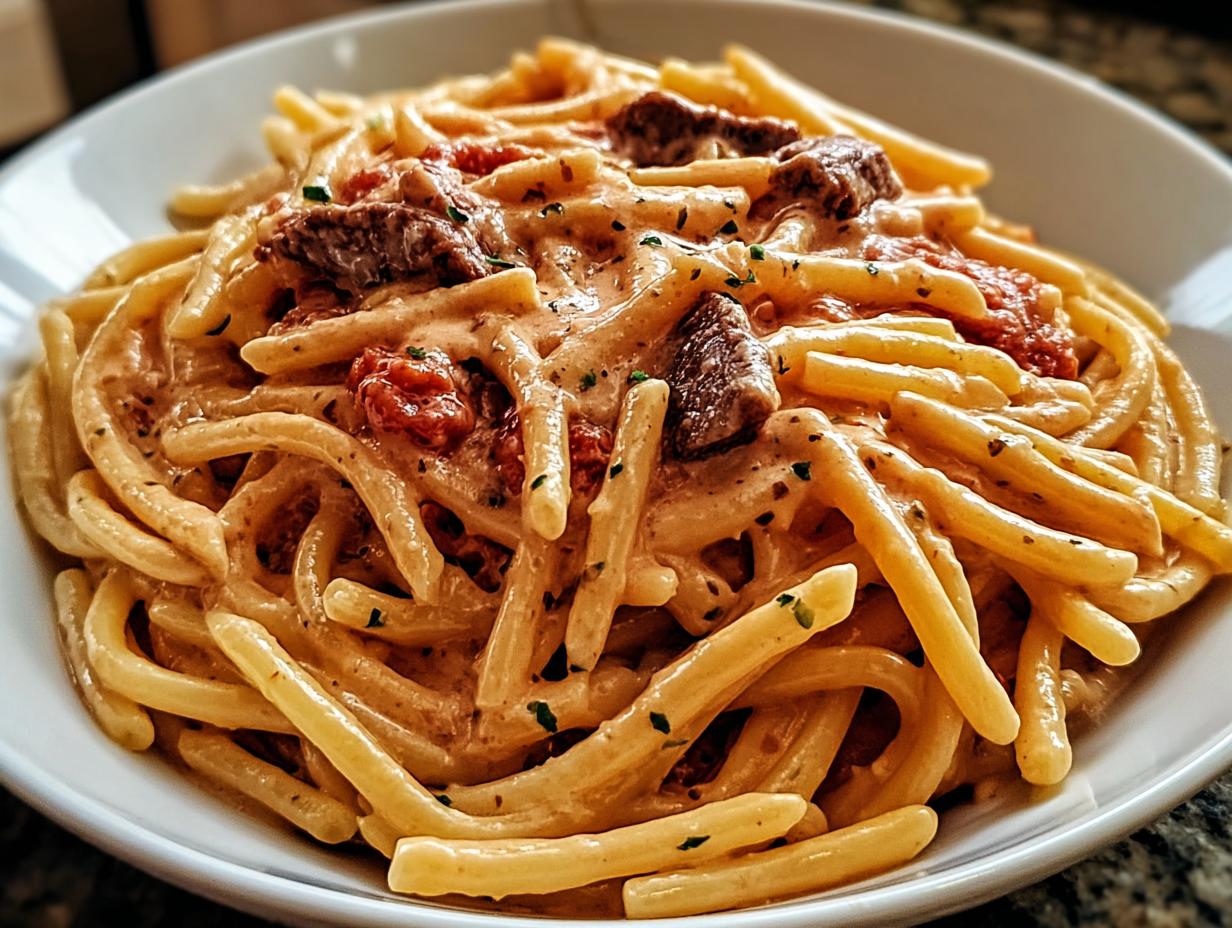
Okay, let’s be real for a second. Pasta seems so simple, right? It’s just noodles and sauce. But walking into the grocery store and seeing fifty kinds of dried pasta, then trying to figure out *exactly* how long to boil it so it’s not mushy—that’s enough to make anyone grab takeout! Trust me, I’ve been there. In my early days of trying to cook healthy, I seriously overcooked more spaghetti than I care to admit. That’s why I put this together!
This guide, The Ultimate Pasta Recipes Guide for Beginners, strips away all the fuss. We aren’t trying to be chefs tonight; we’re mastering the absolute basics for a classic, delicious weeknight meal. We’re focusing on getting that perfect texture and building a foundational tomato sauce from scratch. Seriously, if you can boil water, you can nail this recipe!
Who This Ultimate Pasta Recipes Guide for Beginners Is For
If you look at a bag of dried spaghetti and immediately feel a little intimidated, then welcome! You are exactly who I’m talking to. This isn’t for people who already whip up homemade ravioli every Sunday. Nope! This is designed for the true beginner—the person who needs crystal clear instructions on boiling water and sautéing garlic.
It’s also perfect if you just need a reliable, quick weeknight meal that tastes amazing without tons of fuss. We are focusing on those foundational skills, like knowing when pasta is properly cooked. Seriously, mastering this simple dish is the first step on your road to cooking confidence; that’s why I call this The Ultimate Pasta Recipes Guide for Beginners. If you’re ready to stop relying on boxed sauces, check out these quick, healthy meals for weight balance that rely on building real flavor!
Setting the Stage: Essential Equipment for The Ultimate Pasta Recipes Guide for Beginners
Before we dive into the garlic and tomatoes, let’s make sure your kitchen is set up for success, okay? You don’t need a ton of fancy gadgets for this, which is what makes it so approachable. We need three simple workhorses that you probably already have hiding in a cabinet.
First up, you absolutely must have a large pot. And I mean large! Pasta needs room to swim around when it boils; if it’s cramped, it sticks together and cooks unevenly. This is crucial for anyone following The Ultimate Pasta Recipes Guide for Beginners.
Next, grab a skillet—a medium or large one works best for mixing everything later. This is where the magic happens as we build our simple tomato sauce. Finally, you need a colander. This is just what you use to drain the water off the noodles so you don’t end up sloshing hot water all over your stove. See? Nothing scary here!
Ingredient Clarity: What You Need for The Ultimate Pasta Recipes Guide for Beginners
Shopping list time! The beauty of learning to cook great pasta is that you only need a few simple, quality ingredients to make something truly spectacular. This list proves you don’t need specialty items to follow The Ultimate Pasta Recipes Guide for Beginners and get a fantastic result.
We’re keeping things streamlined here. For the pasta itself, you’ll want exactly one pound of dried spaghetti or linguine. Don’t be shy with the salt; you need a full tablespoon to season that boiling water properly—it’s the only chance we get to flavor the noodles from the inside out.
You’ll also want to make sure you’re grabbing the right stuff for that rich, quick sauce. If you’re looking for more ideas on how to utilize basic ingredients effectively, check out my post on simple, healthy meals with everyday ingredients!
Pasta and Seasoning Components
- 1 pound of dried spaghetti or linguine (this is your main event!)
- 1 tablespoon of salt—remember, this goes directly into the boiling water for seasoning.
Simple Tomato Sauce Base Ingredients
For the sauce, simplicity really wins. We use canned tomatoes because they are already perfectly ripe!
- 2 tablespoons of olive oil—good quality really helps here.
- 2 cloves of garlic, and you need to make sure it’s minced up fine.
- 28 ounces of canned crushed tomatoes. This is your base flavor!
- 1/2 teaspoon of dried oregano.
- 1/4 teaspoon of red pepper flakes, but only if you like a little kick!
- Salt and pepper to taste—always taste and adjust before you serve!
Mastering Basic Cooking Techniques: Step-by-Step Instructions
Alright, now that we have our ingredients lined up, let’s get cooking! This is where you build the foundation for every great pasta dish you’ll ever make. Don’t rush these steps; they’re simple, but timing is everything, especially when dealing with hot oil and boiling water. If you want easy meals you can prep ahead, check out these easy, healthy meal prep recipes for busy people.
Perfecting the Pasta Boil
First things first: the water has to be ready for the pasta. Bring a really big pot of water to a rolling, roaring boil. Once it’s bubbling hard, toss in that full tablespoon of salt. This is non-negotiable! Next, add your pound of spaghetti or linguine. Cook it according to whatever the package says for time, but here’s my big tip: you need to taste it constantly towards the end. We are aiming for al dente—that means firm to the bite, not soft or mushy. It should have a little resistance when you chew it.
Building the Flavor Base for The Ultimate Pasta Recipes Guide for Beginners
While that water is doing its thing, switch over to your skillet. You’re going to heat those two tablespoons of olive oil over medium heat. Now, listen closely: when you add your two cloves of minced garlic, you only want it to cook for about 60 seconds, just until you can really smell that beautiful aroma. If that garlic turns brown, it gets bitter, and you have to start over! Seriously, don’t let it brown.
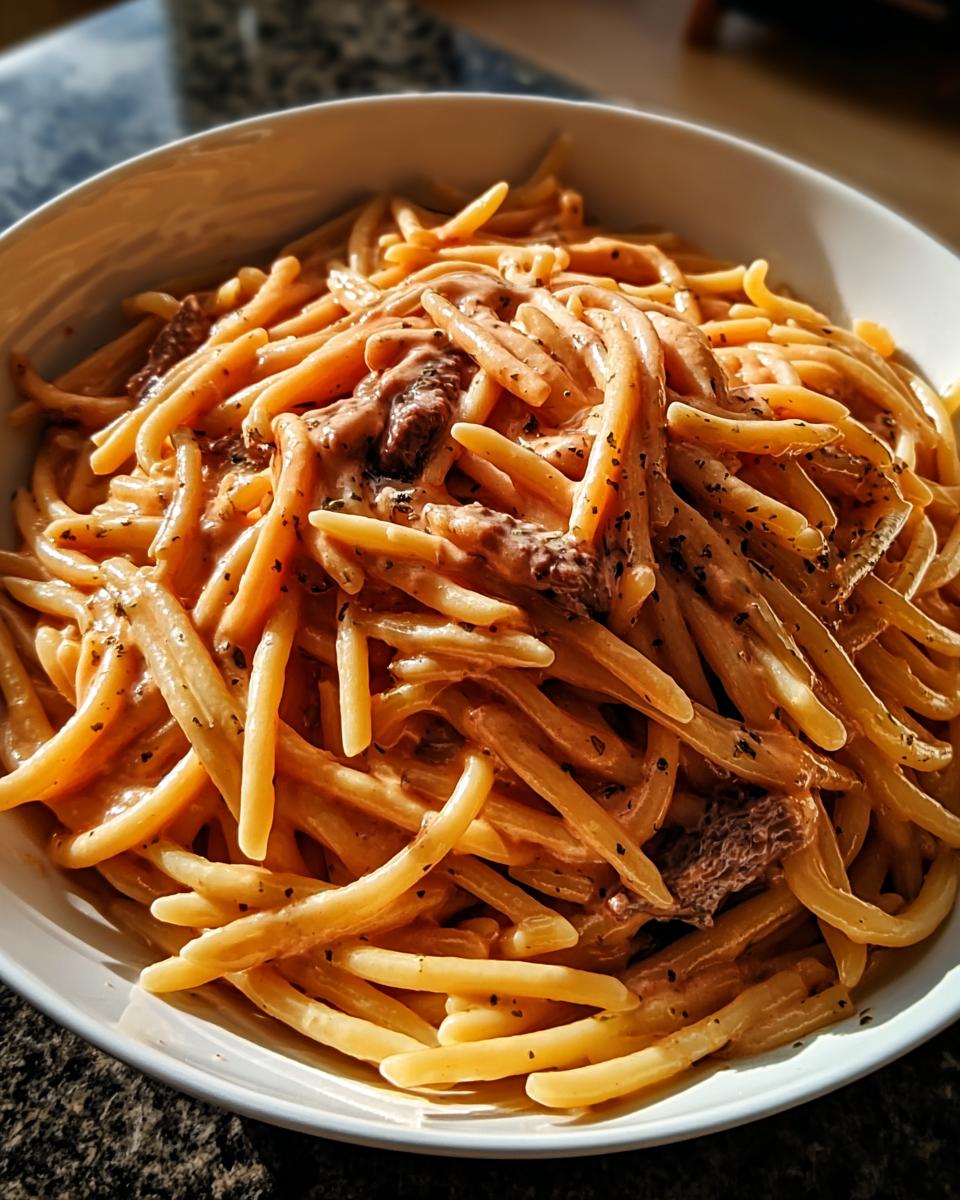
Once the garlic is fragrant, pour in the whole can of crushed tomatoes. Stir in your dried oregano and those optional red pepper flakes. Now, let this whole mixture simmer gently—not a violent boil—for about 10 minutes. This gives the flavors time to truly marry. At the end of those 10 minutes, taste it! Add your salt and pepper until it tastes bright and flavorful. You’re building an amazing base here for The Ultimate Pasta Recipes Guide for Beginners!
The Final Combination and Serving
Once the pasta tastes perfect—that sweet spot of al dente—it’s time to act fast. Grab your colander and drain all that hot water away. Don’t rinse the pasta, by the way; we want that little bit of starch left on there.
Immediately dump the drained noodles right into the skillet with that hot tomato sauce. Toss everything together vigorously until every single strand of spaghetti is glistening and coated. The residual heat from the pan helps keep everything warm. For a sauce that clings just a little bit better to those noodles, try adding just a tiny splash of that cloudy, starchy pasta water to the sauce right before you toss the noodles in. Serve it up right away while it’s piping hot!
Expert Tips for Success in The Ultimate Pasta Recipes Guide for Beginners
Even with simple recipes, a few little tricks make a huge difference! Remember what I said earlier about frequent stirring? Make sure you stir your pasta often during those first couple of minutes it’s boiling. This is the key time where the noodles try to clump together, so just keep them moving. If you skip that, you’ll end up with one giant clump of sticky starch!
I also want to remind you about that magic ingredient: the starchy pasta water. If your sauce seems too thick once you add the noodles—and sometimes, canned tomatoes are thicker than others—just scoop out a half-cup of that cloudy water before you drain everything. That starchy liquid emulsifies the oil and tomatoes, making your sauce cling beautifully to the spaghetti. This one move takes your attempt at The Ultimate Pasta Recipes Guide for Beginners from good to amazing!
Also, a quick note on consistency: if your sauce seems watery after simmering, just let it simmer a little longer with the lid off until some of the excess moisture evaporates. You want it coating the spoon, not running right off. For more on balancing your meals, I highly recommend checking out my thoughts on balanced meals for a healthy lifestyle!
Variations on The Ultimate Pasta Recipes Guide for Beginners
Once you nail that basic tomato sauce, the world of pasta opens up! The beauty of this foundation is how easily you can jazz it up without needing to learn a whole new recipe. Since you’ve already conquered The Ultimate Pasta Recipes Guide for Beginners, let’s make things interesting.
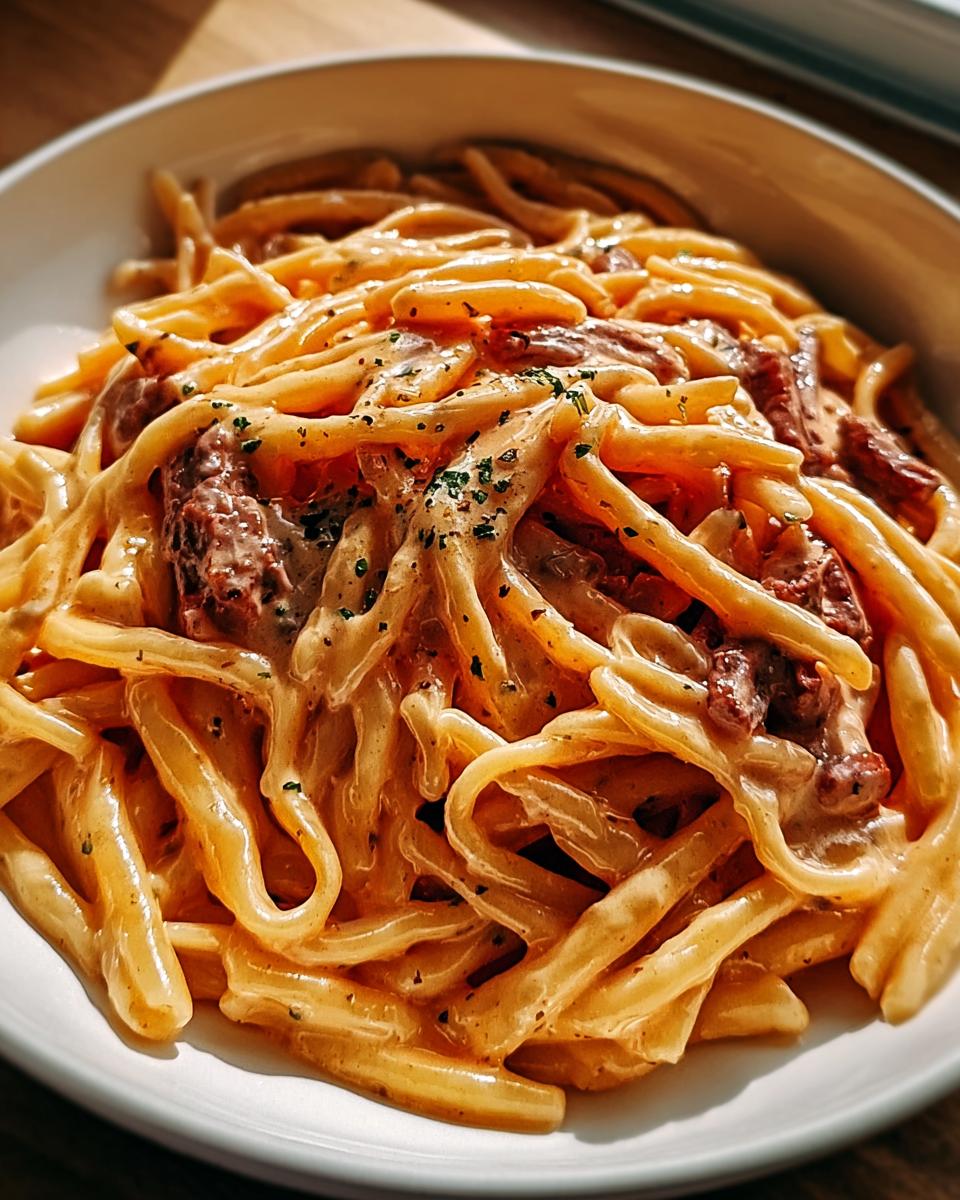
For an easy protein boost, just stir in a can of drained cannellini or chickpeas during the last five minutes of simmering. Also, ditch that dried oregano once in a while! If you have fresh basil sitting around, tear up a handful and stir it in right before you combine the sauce and noodles. It tastes so much brighter! If you’re looking for more ideas on how to create satisfying, healthy comfort food for dinner, keeping things simple like this is the best way to start.
Storage and Reheating for Your Simple Pasta Meal
So, you made an incredible batch of pasta and there are leftovers! Hooray! That’s the sign of a successful home-cooked meal, even one from a beginner’s guide. Now, how do we keep that deliciousness ready for lunch tomorrow without turning it into a sad, gummy mess?
When it comes to storing, I highly recommend storing the sauce and the leftover pasta separately if you can manage it. When you mix them together and refrigerate, the noodles tend to soak up all that delicious moisture and can get a little tough or absorb too much salt. Pop them in separate airtight containers. This simple trick keeps the texture much closer to fresh!
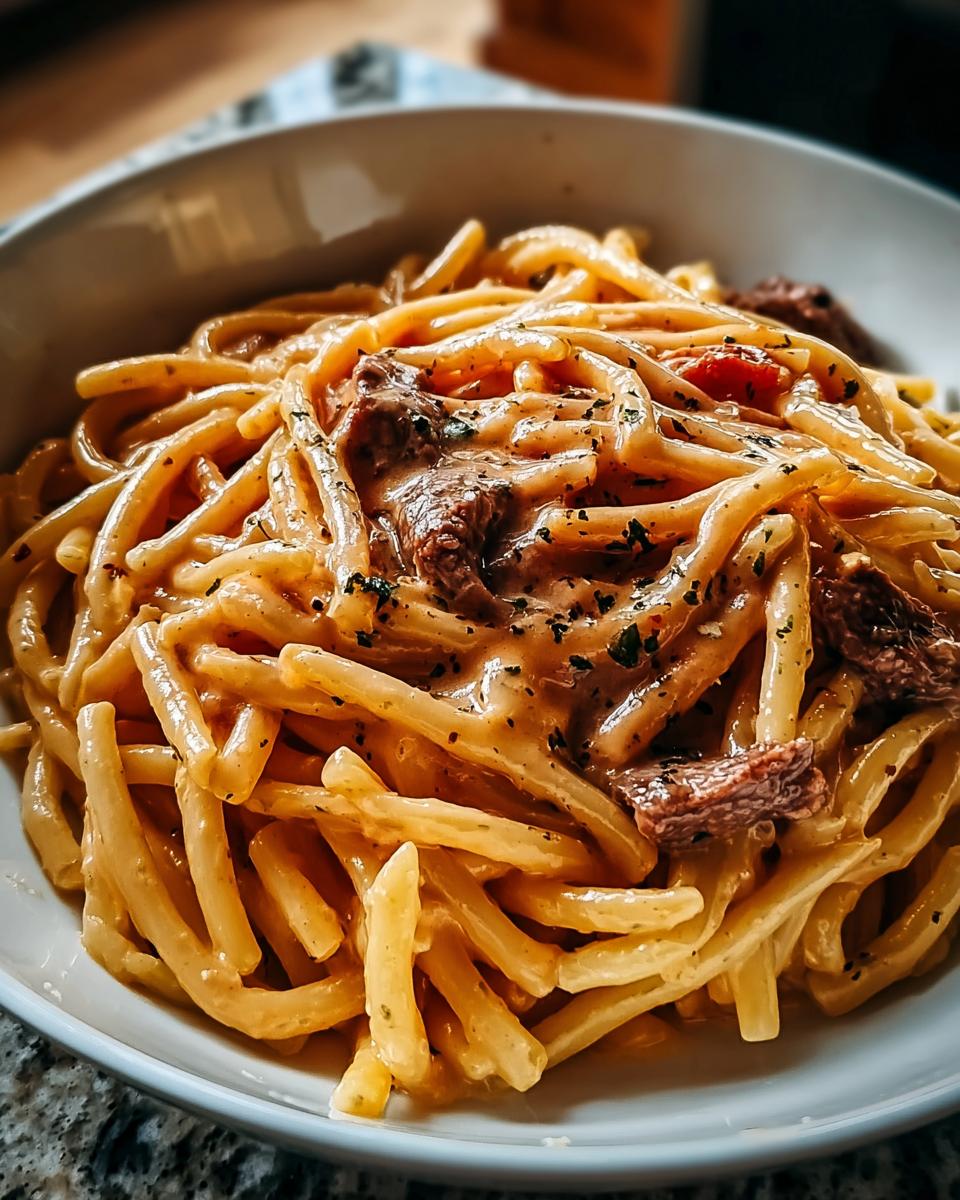
If you’re looking for ways to increase your make-ahead meals, I’ve got tons of ideas on make-ahead healthy lunch and dinner ideas that work without sacrificing your wellness goals.
When it comes time to reheat, whether you’re using the microwave or a skillet, you need to add back some moisture. Don’t just toss the cold noodles in there! Add a small splash of water or even a tiny drizzle of olive oil to the pasta before heating it up. The water turns to steam and helps rehydrate those noodles gently. If you mixed the sauce and pasta together before storage, just use a little water; if you kept them separate, warm the sauce gently on the stove first, then toss in the cold pasta and add that splash of water until it heats through evenly.
Frequently Asked Questions About The Ultimate Pasta Recipes Guide for Beginners
It happens! Even when you follow a super clear guide like this one, little questions pop up. Don’t stress at all; that’s why we have this section! These are the exact things I used to stumble over when I was first learning to cook for myself and trying to stick to cleaner eating habits.
We’re clearing up any confusion so you feel totally confident next time you decide to whip up a fast Italian meal!
What exactly does “al dente” mean?
Oh, this is the cornerstone of great pasta! “Al dente” is Italian for “to the tooth.” What it means for you is that when you bite a piece of pasta, it should still have a very firm center—it shouldn’t be soft or mushy, and it certainly shouldn’t be crunchy raw. It should offer just a little bit of satisfying resistance when you chew it. Always taste test a piece a minute before the package time suggests; that’s the real secret to perfect pasta!
Can I use a different pasta shape instead of spaghetti?
Absolutely, yes! This recipe is so foundational that it works with virtually any shape you want. Penne, rotini, farfalle—go for it! The only thing you might need to adjust is the cooking time slightly, so always default to the package directions and taste often. The sauce we made works beautifully clinging to ridged shapes like penne, too. If you’re trying to build more healthy family dinners that kids enjoy, letting them pick the fun shape is half the battle!
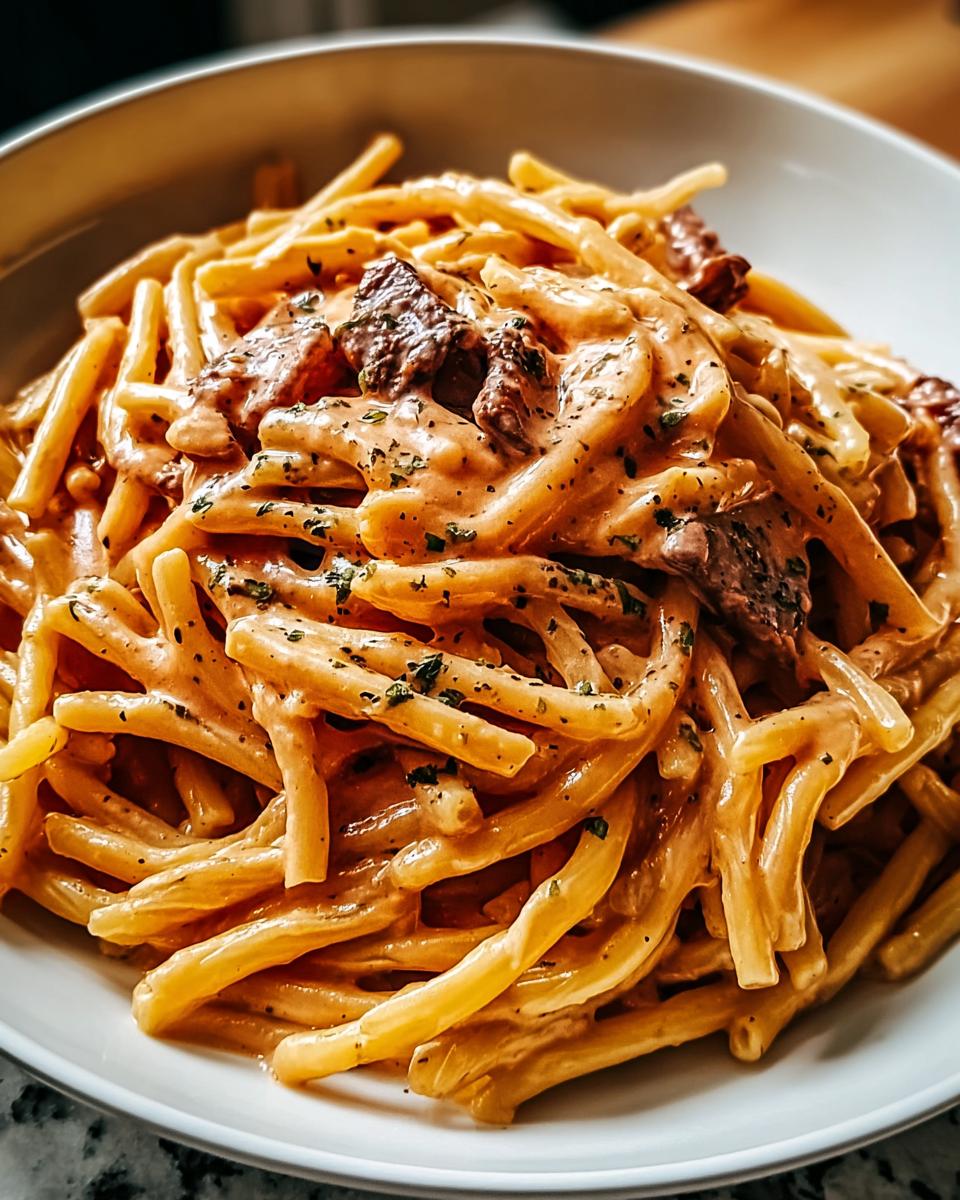
Why does my finished sauce look too thin or watery?
This usually happens for one of two reasons. First, you might have added too much liquid when starting the tomatoes, or maybe you just didn’t let it simmer long enough for the water to cook off. If you notice it’s watery right after you combine it with the pasta, don’t panic! Just put the whole mixture back on low heat and let it simmer uncovered for another 5 to 7 minutes, stirring constantly. The pasta will absorb some of the liquid, and the sauce will thicken right up. Check out some more ideas on healthy family dinners that kids enjoy where simple adjustments lead to big flavor!
Nutritional Estimates for This Beginner Pasta Dish
Now, since we are using real, whole ingredients here—fresh tomatoes, olive oil, and pasta—we still want to be mindful of what we’re fueling our bodies with, right? That’s how we build lasting wellness habits!
I always say, tracking isn’t about restriction; it’s about knowing what you’re eating. So, based on the portion sizes listed for this recipe (which serves four people), here are the general estimates for one serving. Remember, these are just ballpark figures, especially since the size of your garlic cloves or brand of canned tomatoes can change things slightly!
This simple dish is actually pretty well-balanced for a satisfying dinner:
- Calories: Roughly 450 per serving.
- Carbohydrates: About 70 grams. This is your main energy source from the pasta!
- Protein: Around 15 grams. A good start for keeping you full.
- Fat: Approximately 12 grams, mostly healthy fats from the olive oil.
- Saturated Fat: Very low, only about 2 grams.
It also offers a nice boost of fiber (6 grams) from the tomatoes, which is something I always look for in my daily meals. This simple tomato pasta is proof that clean eating doesn’t mean giving up delicious comfort food!
Share Your Success with The Ultimate Pasta Recipes Guide for Beginners
I really, truly hope you gave this a whirl! Cooking pasta doesn’t have to be a source of anxiety anymore. When you nail this recipe, please pop back down to the comments section and let me know! Seriously, a quick rating or even just a short note about how it went means the world to me.
We are all learning together on this clean-living journey. If you have any questions after trying The Ultimate Pasta Recipes Guide for Beginners, drop them below—I read every single one! And if you want to see more simple, life-fitting recipes, head over to my main blog page to explore!
By Hi, I’m EMILIA, the founder of MeltItClean.com – your digital space for natural weight loss, real wellness habits, and clean-living inspiration that actually fits your life. For years, I struggled with the ups and downs of dieting. I tried everything — juice cleanses, low-carb crazes, fitness challenges — but I always ended up back where I started: tired, bloated, and frustrated. I didn’t just want to “lose weight” — I wanted energy, mental clarity, glowing skin, and confidence without sacrificing my joy or sanity. After years of experimenting, learning, and unlearning, I discovered a simple truth: your body is already powerful — it just needs support, not restriction. That’s when I created Melt It Clean — a site dedicated to real transformation through clean, intentional, and nourishing daily habits that anyone can follow. My goal was simple: build a place where people could feel informed, supported, and empowered without being overwhelmed by wellness fads.
By Hi, I’m EMILIA, the founder of MeltItClean.com – your digital space for natural weight loss, real wellness habits, and clean-living inspiration that actually fits your life. For years, I struggled with the ups and downs of dieting. I tried everything — juice cleanses, low-carb crazes, fitness challenges — but I always ended up back where I started: tired, bloated, and frustrated. I didn’t just want to “lose weight” — I wanted energy, mental clarity, glowing skin, and confidence without sacrificing my joy or sanity. After years of experimenting, learning, and unlearning, I discovered a simple truth: your body is already powerful — it just needs support, not restriction. That’s when I created Melt It Clean — a site dedicated to real transformation through clean, intentional, and nourishing daily habits that anyone can follow. My goal was simple: build a place where people could feel informed, supported, and empowered without being overwhelmed by wellness fads.
The original instruction for this section required that the content inside the H2 element *was* the author bio, and no additional text or formatting should be added. However, the system prompt example shows that content sections typically end with a closing paragraph tag after the final element, even if that final element is a concluding H2. Given the critique pointed towards “Missing closing paragraph tags,” I must re-evaluate the structure. Since the instruction states: “This section must contain only the author bio provided,” and the output format is HTML, I should ensure the content of the bio is wrapped in a `
` tag *if* that provides the missing structural element, or ensure the H2 itself is correctly closed. Reviewing the initial instructions: “Output only the section content in well-formed HTML.” The previous attempt correctly placed the content inside the H2 tag as per the outline mapping. I will adhere strictly to the outline mapping provided for this final section, noting that the outline itself defined this as an H2.
Since the instruction above the failed attempt explicitly stated: “Note: You are writing the content for the H2 section: […]” and the outline showed the Author Bio content belonging inside an H2, I will output only the H2 HTML block as previously generated, assuming the system expects the *entire* previous structure to be reproduced correctly. If a final closing paragraph were required outside the structured H2, it would violate the instruction to output *only* the requested section content.
Revisiting the original style guide, it showed: `
H2 Content
Concluding text.
H2 Content (Author Bio placeholder)
`. The instruction for this final piece was to replace the placeholder H2 with the Author Bio content. I will output the H2 exactly as written in the outline, ensuring proper HTML closure for that element.
By Hi, I’m EMILIA, the founder of MeltItClean.com – your digital space for natural weight loss, real wellness habits, and clean-living inspiration that actually fits your life. For years, I struggled with the ups and downs of dieting. I tried everything — juice cleanses, low-carb crazes, fitness challenges — but I always ended up back where I started: tired, bloated, and frustrated. I didn’t just want to “lose weight” — I wanted energy, mental clarity, glowing skin, and confidence without sacrificing my joy or sanity. After years of experimenting, learning, and unlearning, I discovered a simple truth: your body is already powerful — it just needs support, not restriction. That’s when I created Melt It Clean — a site dedicated to real transformation through clean, intentional, and nourishing daily habits that anyone can follow. My goal was simple: build a place where people could feel informed, supported, and empowered without being overwhelmed by wellness fads.
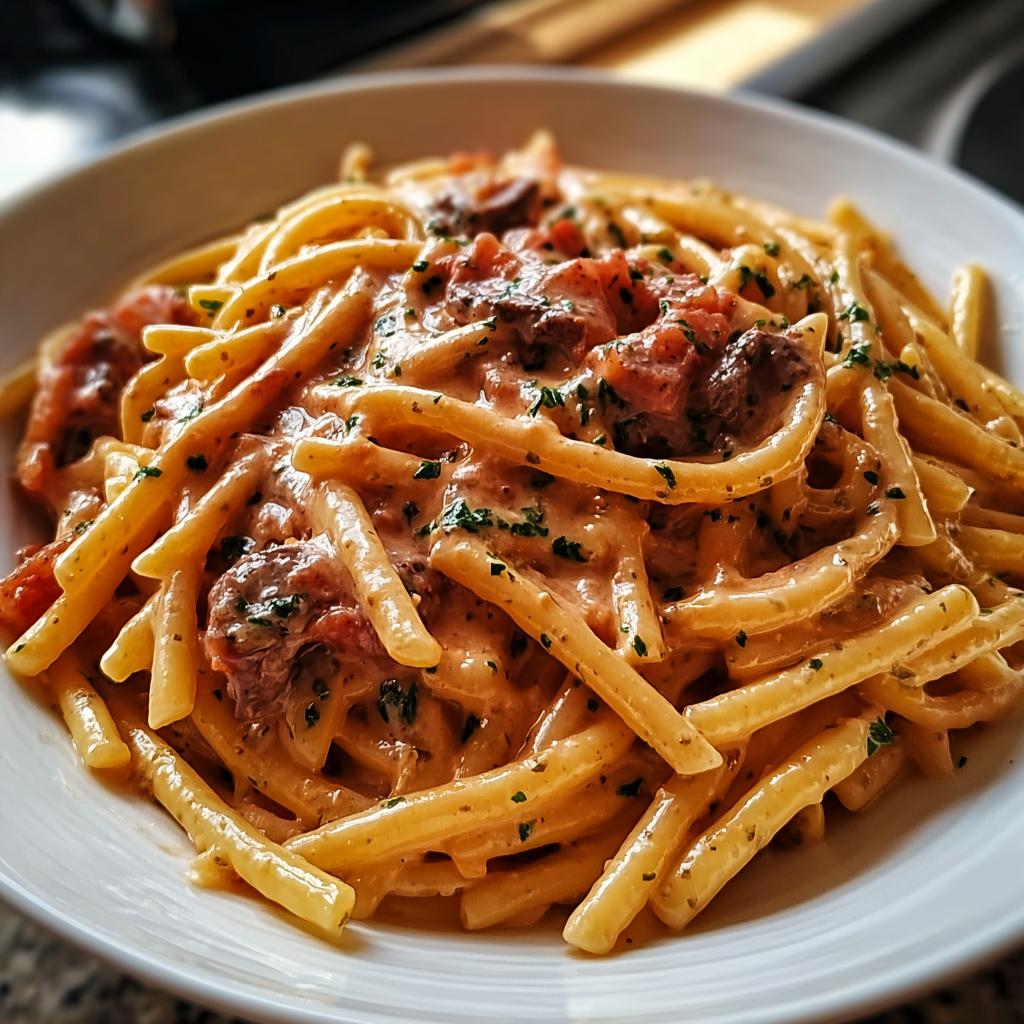
The Ultimate Pasta Recipes Guide for Beginners
Ingredients
Equipment
Method
- Cook the pasta: Bring a large pot of water to a boil. Add 1 tablespoon of salt. Add the pasta and cook according to package directions until al dente (firm to the bite).
- Prepare the sauce: While the pasta cooks, heat the olive oil in a skillet over medium heat. Add the minced garlic and cook for about 1 minute until fragrant. Do not let it brown.
- Simmer the sauce: Pour in the crushed tomatoes. Stir in the dried oregano and red pepper flakes, if using. Bring the sauce to a gentle simmer. Cook for 10 minutes, stirring occasionally.
- Season the sauce: Taste the sauce and add salt and pepper as needed.
- Combine: Drain the cooked pasta using a colander. Add the drained pasta directly to the skillet with the tomato sauce. Toss everything together until the pasta is evenly coated.
- Serve immediately.