
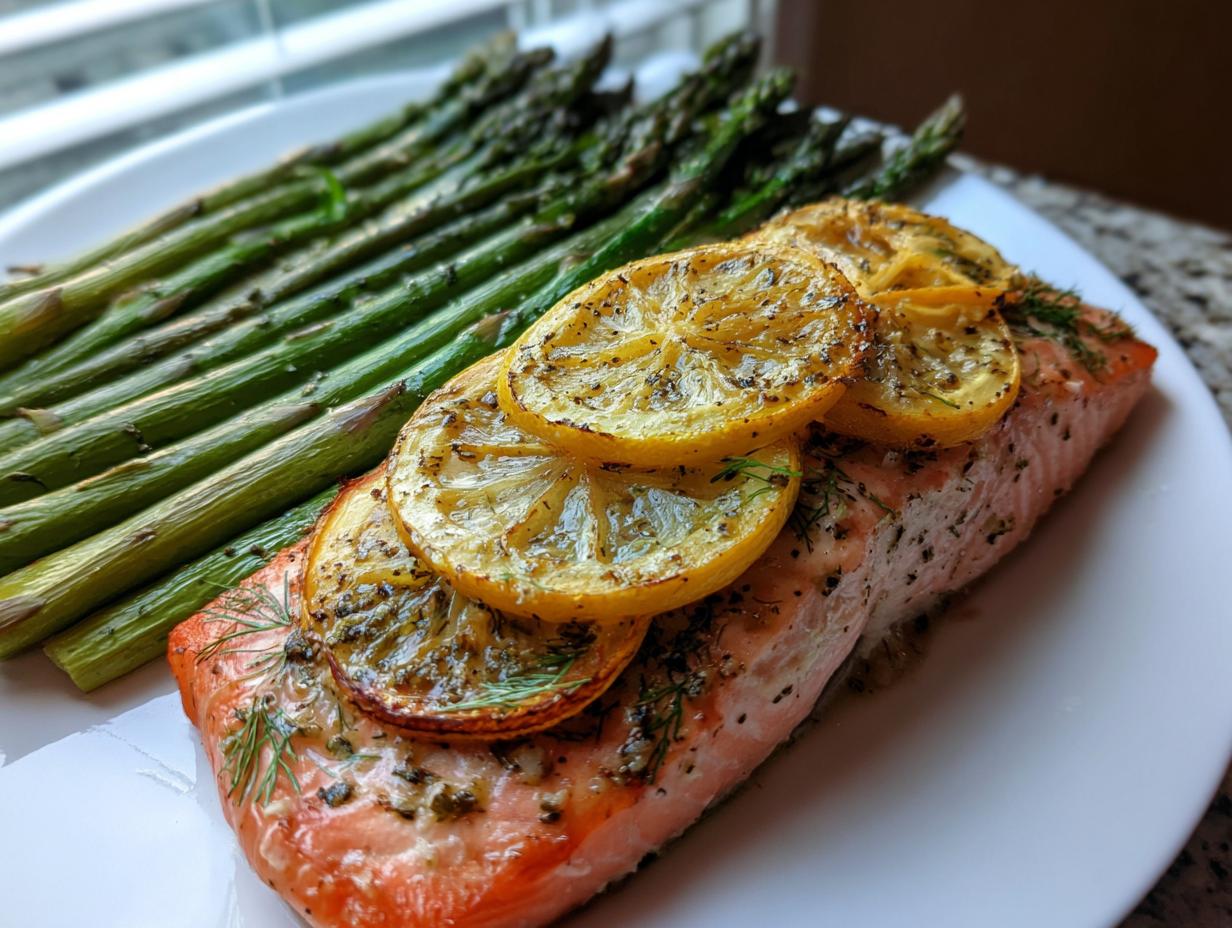
Whew! Seriously, when you are tackling a Clean-Eating Reset Recipes plan, the last thing you want is a million pots and pans soaking in the sink, right? I get it. My evenings are chaos! That’s why I’m obsessed with this Simple Baked Salmon and Asparagus. It’s my absolute go-to.
In less than 25 minutes total—and I mean *total*—you have a beautiful, flaky main course that hits all the clean eating marks. We’re talking lean protein, healthy omega-3s, and zero fuss. This isn’t just a recipe; it’s a lifeline on those evenings when you swore you were going to order takeout but promised yourself better.
We’re keeping everything right on one baking sheet, which is the key to sticking with any healthy routine when you’re tired. Trust me, you’ll want to bookmark this one immediately!
Why This Baked Salmon is a Top Clean-Eating Reset Recipes Choice
Honestly, when you’re knee-deep in a reset, you need speed and simplicity, and this dish delivers big time. I love it because it’s ultra-fast—ten minutes of hands-on time, tops! That’s the beauty of keeping things minimal for your Clean-Eating Reset Recipes list.
Here is why this specific meal always gets my vote:
- One Pan Wonder: Yes, you heard me right. Everything cooks on one sheet, meaning cleanup is about 80% less work. I can’t tell you how many times that little detail saves my sanity.
- Powerhouse Nutrition: Salmon is packed with those essential healthy fats that help you feel satisfied, and the asparagus gives you a fantastic dose of greens without tasting like grass. It is pure, clean fuel.
- Zero Guilt Factor: We’re using simple oil and spices; no heavy sauces or hidden sugars here. It fits perfectly into the low-carb and whole-food mentality of a reset.
Essential Ingredients for Your Clean-Eating Reset Recipes Salmon
When we talk about Clean-Eating Reset Recipes, the ingredients have to be straightforward, right? No strange powders or five-syllable words allowed! This recipe shines because it relies on perfectly fresh, recognizable components. They are all going onto that baking sheet together, so we need to make sure we have just the right amount of everything to cover both the fish and the veggies.
Don’t skimp on the quality, especially with your salmon fillets; since this cooks so fast, the flavor has nowhere to hide! A little bit of olive oil helps everything caramelize nicely, and the spices are basic but mighty. Here is exactly what you need to have standing by before you even think about turning the oven on.
For the Salmon and Asparagus: Precise Measurements
We need two servings here, so everything is scaled nicely for a quick weeknight meal for two people. Remember to prep your asparagus first—snap off those woody ends!
For the Salmon and Asparagus:
- Salmon: 2 fillets (make sure these are nice, plump pieces, about 6 ounces each).
- Asparagus: 1 bunch, making sure you get it all trimmed.
- Olive oil: Just 1 tablespoon—we aren’t deep-frying here!
- Dried dill: 1 teaspoon. This gives that classic, slightly bright flavor that pairs so well with lemon.
- Garlic powder: 1/2 teaspoon. Easy flavor boost, no raw garlic mess.
- Salt: 1/4 teaspoon. Taste before you add more later, though!
- Black pepper: 1/4 teaspoon, freshly cracked if you have it.
- Lemon slices: 1 whole lemon, sliced thinly to sit right on top of the fish.
Step-by-Step Instructions for Perfect Clean-Eating Reset Recipes Salmon
Okay, this is where the magic happens! Since we’re using the sheet pan method, speed is our friend. We’re dividing the work into two quick phases: getting everything prepped and lying down perfectly, and then letting the oven do the heavy lifting. If you try to rush the seasoning, trust me, it won’t taste as good, so take your time during the first part.
Prep Work and Seasoning for the Clean-Eating Reset Recipes
First things first, we need the oven ready to go. Crank that temperature up to 400 degrees Fahrenheit—that hot, dry heat is what gives us that nice sear on the fish and tenderizes the asparagus beautifully. Lining your baking sheet with parchment paper is non-negotiable, folks! It saves you scrubbing later, which is truly a win for any Clean-Eating Reset Recipes night.
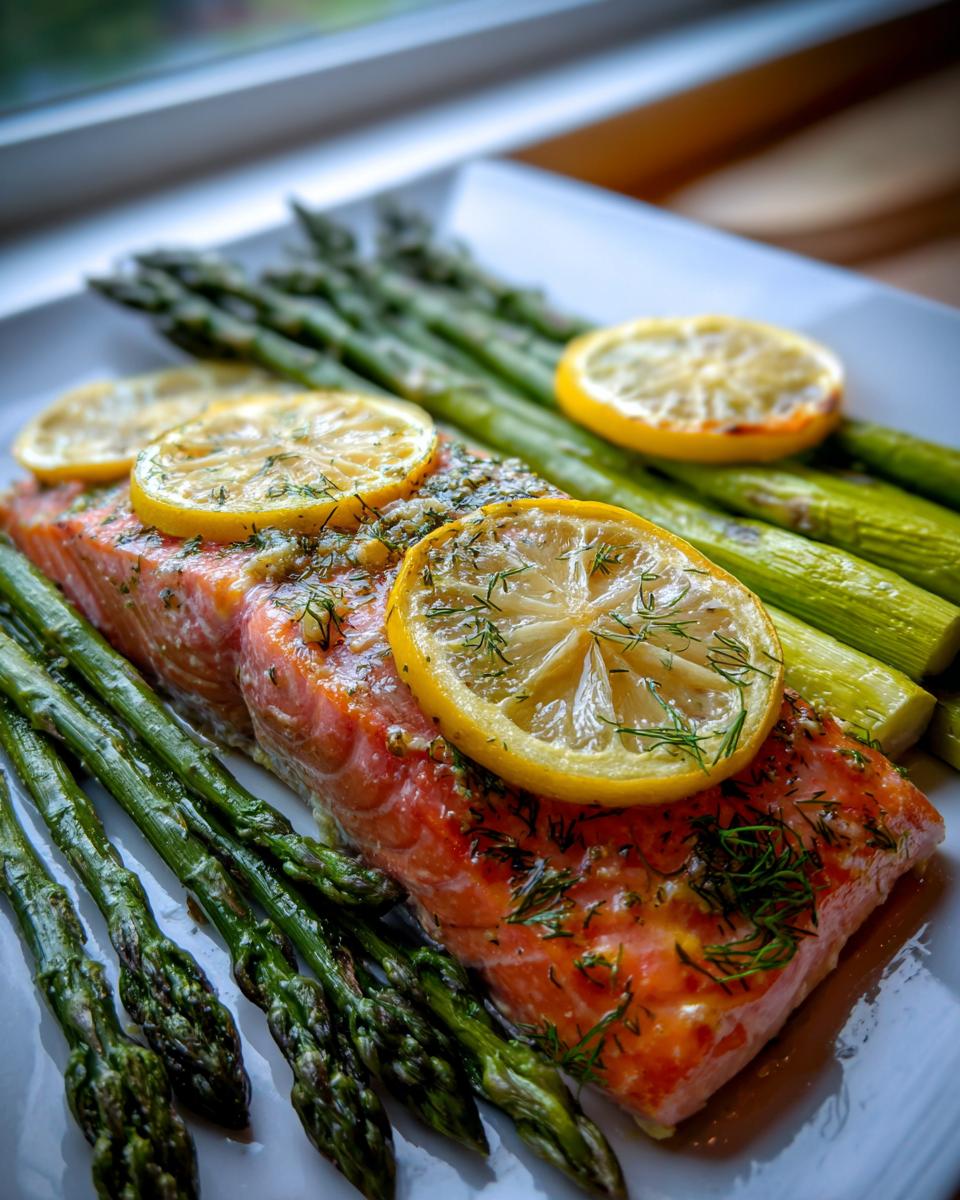
Next, arrange your trimmed asparagus on one side of that lined sheet. Pop the salmon fillets right on the other side. Now, grab that tiny bowl with your spice mix—the dill, garlic powder, salt, and pepper we mixed—and sprinkle it generously only over the salmon. Drizzle that single tablespoon of olive oil evenly over both the fish and the veggies. Finish by tucking a couple of fresh lemon slices right on top of each piece of fish. See? That was maybe six minutes of work!
Baking Time and Doneness Check for Your Clean-Eating Reset Recipes
When dealing with salmon, I always worry about overcooking it because dry salmon is just sad salmon. We are aiming for 12 to 15 minutes in that 400-degree oven. This timeframe works great for fillets around 6 ounces that aren’t crazy thick.
Don’t just pull it out exactly at 12 minutes; give it a little quality check! You want the asparagus to look bright green and just a tiny bit tender when you poke it. For the fish, gently use a fork and poke the thickest part. If it flakes apart easily—almost like the layers separate without any resistance—it’s done! If it’s still resisting, give it another two minutes. That flaky texture means you nailed the healthy fat content perfectly.

Expert Tips for Mastering These Clean-Eating Reset Recipes
Even though this is one of the easiest Clean-Eating Reset Recipes you’ll ever make, a few little tricks can take it from good to absolutely restaurant-quality. The recipe notes gave me some great ideas to share with you, especially about timing and herbs.
For instance, if you’re not a huge fan of dried dill? Don’t sweat it! Swap it right out for fresh parsley or even some thyme if that’s what you have kicking around. The flavor changes, but it stays totally clean and delicious.
Here’s my own little secret I learned the hard way: try to keep your asparagus spears mostly the same thickness. If you have some super skinny ones and some fat ones, they won’t finish cooking at the same time. I usually just snap the ends off those thick ones a little higher up so they cook evenly with their thinner buddies. That way, everything comes off the pan perfectly ready at the same time. Simple, but it works wonders!
Ingredient Swaps for Versatile Clean-Eating Reset Recipes
I absolutely love that this recipe embraces flexibility, which is crucial when you are trying to stick to a reset plan and perhaps your fridge is looking a little bare! Variety keeps things interesting, and luckily, salmon is a wonderful canvas that pairs well with tons of fresh flavors. We don’t need to raid the specialty stores for this; we’re working with what we usually keep on hand.
We already talked about swapping out the dill for fresh herbs, but let’s dig into those swaps a little more, especially if you aren’t a big fan of dill, or if you’re just bored of asparagus this week. You can find tons of ideas for flavor adjustments over at my big guide on salmon substitutions, but let’s focus on the green stuff right now!
If you are running low on fresh asparagus, or maybe you just prefer something else, don’t panic about messing up your baking time too much. The key is picking a vegetable that generally cooks in a similar timeframe.
Vegetable Substitutions for Asparagus
My number one go-to swap when asparagus is out of season or just too expensive is broccoli!
- Broccoli Florets: Chop them into bite-sized pieces so they aren’t hiding under the salmon. They roast up beautifully at 400 degrees, usually needing just about the same 12 to 15 minutes to get tender-crisp.
- Thin Green Beans: If you grab a bag of those really thin, haricot vert style green beans, they work perfectly too. They are so quick!
- Zucchini or Yellow Squash: Cut these into thick coins or sticks. Be careful, though; squash can turn mushy faster than the others if you leave them in too long. I usually check on these around the 10-minute mark just to be safe.
The main thing to remember is that whatever vegetable you choose, make sure it gets a little drizzle of that olive oil and a tiny pinch of salt. We want them nicely roasted right alongside that perfectly seasoned salmon!
Serving Suggestions to Complete Your Clean-Eating Reset Recipes Meal
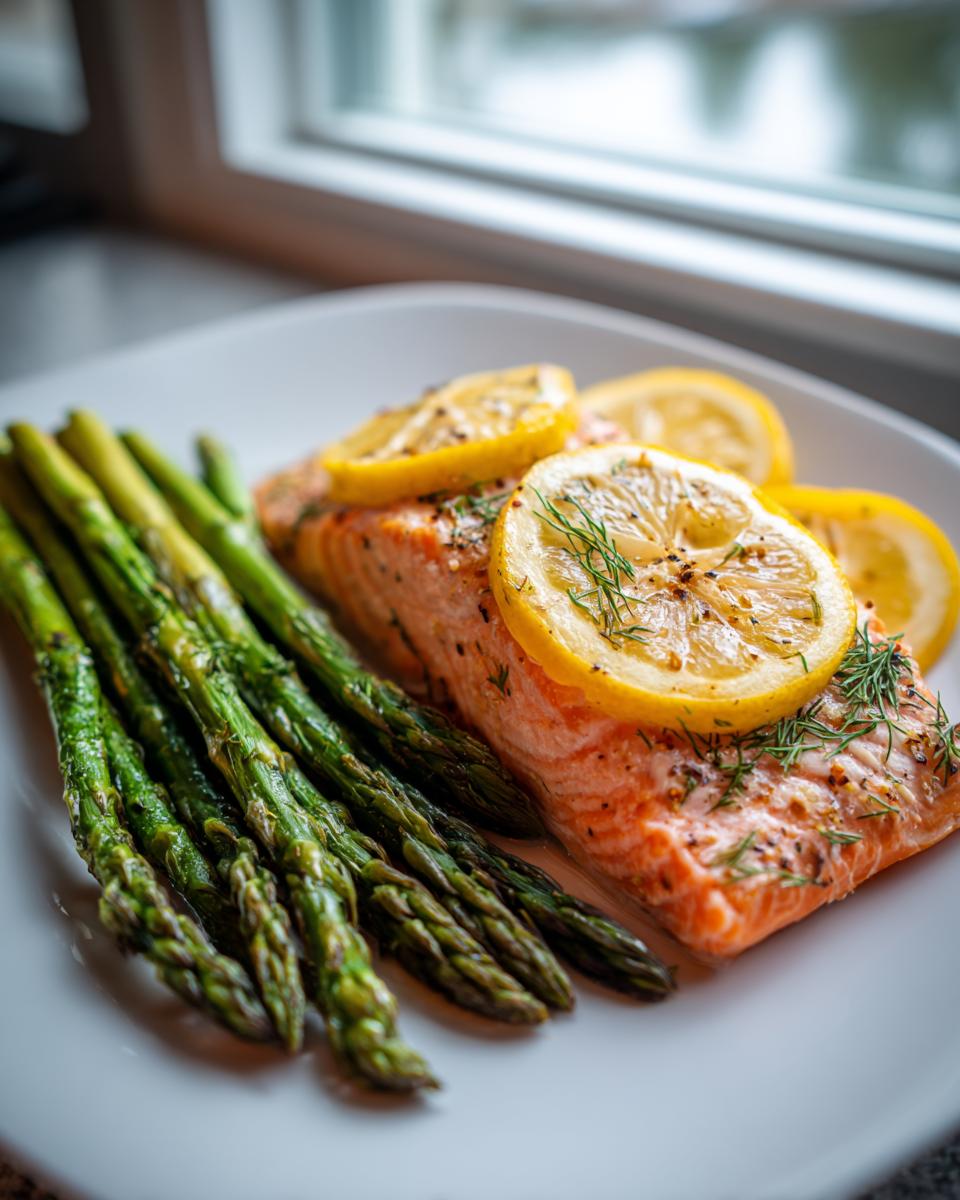
Honestly, this baked salmon and asparagus is so satisfying, you could totally eat it just as it is and feel great about it. It’s almost a complete meal right off the sheet pan! But hey, sometimes you need just a little something extra to make it feel like a true, hearty dinner, especially during these reset phases when you might be used to a bigger plate.
The trick here, since we are keeping things super clean and quick, is picking sides that don’t require any extra cooking time or dirtying another huge pot. We don’t want to spend an extra 45 minutes on the clean-eating journey, do we? Absolutely not!
I always head over to my favorite bowl assembly ideas when I need inspiration, but here are a couple of simple add-ons that work like a charm with the bright lemon flavor of this salmon:
- Speedy Quinoa: If you keep pre-cooked or quick-cook quinoa on hand, just warm up a half cup per person. The slightly nutty texture is amazing soaked up with those little bits of lemon juice left on the parchment paper. Perfect for adding complex carbs if you need an energy boost.
- Simple Greens Bed: If you’re keeping things lower carb, just toss some fresh arugula or baby spinach with a tiny splash of olive oil and lemon juice—literally toss it in a bowl while the oven cools down. You lay the salmon and asparagus right on top. It wilts just slightly from the heat of the fish and it’s instantly gourmet.
- Cauliflower Rice: For those who want rice texture without the rice calories, a quick sauté of pre-riced cauliflower with a pinch of salt is ready in five minutes flat. It blends right into the flavor profile without overpowering the star of the show, which is that gorgeous, flaky salmon.
Keep it simple, keep it fresh, and you’ve got a perfect, balanced meal ready to go!
Storage and Reheating for Your Quick Clean-Eating Reset Recipes
Okay, let’s talk leftovers because maybe you cooked this amazing meal but only ate one piece—I won’t judge! Since this is part of your Clean-Eating Reset Recipes routine, stretching the meal is smart. The good news is, this baked salmon keeps really well in the fridge for up to two days.
The secret to reheating fish, which everyone gets wrong, is moisture! Don’t just nuke it in the microwave uncovered; that makes it tough and dry faster than you can say ‘healthy fats.’
The best way to revive leftovers is low and slow. Pop the salmon and asparagus onto a small, oven-safe dish, add just a teaspoon of water or broth—seriously, just a teaspoon—cover it tightly with foil, and heat it gently in a 300-degree oven for about 10 minutes. If you’re in a huge rush, microwave it for 30 seconds under a damp paper towel. That little bit of trapped steam keeps everything tender!
Frequently Asked Questions About Clean-Eating Reset Recipes
I always get a ton of questions when people start working these simple meals into their routine. It makes sense, right? We want to make sure we are following our Clean-Eating Reset Recipes journey perfectly without breaking any rules or accidentally drying out our dinner!
Here are some of the common things folks ask me regarding this quick sheet-pan dinner. If you’ve got other lingering questions, drop them in the comments below—I love helping out!
Can I use frozen salmon for these Clean-Eating Reset Recipes?
That’s a great question, especially when you’re short on time! Yes, you absolutely can start with frozen salmon—just avoid trying to bake it straight from frozen, or your timing will be wildly off. The best thing to do is thaw it safely in the fridge overnight. If you forget, you can do a quick thaw by placing the frozen fillets in a sealed plastic bag and submerging that bag in cold water. Change the water every 30 minutes. It keeps everything safe and still works perfectly for our quick recipe setup!
What temperature should the internal salmon reach?
For perfect, flaky, non-dry salmon that meets all food safety standards—plus aligns with those low-carb goals—you are looking for an internal temperature of 145 degrees Fahrenheit. However, I usually pull mine out around 140 degrees because carry-over cooking in the hot pan will bring it right up to that safe point while it rests for five minutes. Remember what I said before? Flaky texture is your visual cue, but 140-145°F is your safety cue, ensuring you stay within the guidelines for successful Clean-Eating Reset Recipes.
Can I add other vegetables to my Clean-Eating Reset Recipes?
Absolutely! Remember how I mentioned swapping out asparagus? You can definitely mix in other veggies, but watch your cooking times. Root vegetables like carrots or potatoes take ages compared to salmon, so you’d need to pre-roast them for about 15 minutes before adding your fish and softer veggies. For simultaneous cooking, stick to thinner vegetables like bell pepper strips or cherry tomatoes. The key to keeping this a true quick reset meal is layering veggies based on how long they take to cook!
Understanding the Estimated Nutrition for This Clean-Eating Reset Recipes Meal
I know, I know, when you’re crushing a Clean-Eating Reset Recipes journey, sometimes the numbers matter just as much as the taste! While my sweet spot is always focusing on whole foods and cooking from scratch, I always try to give you a good ballpark idea of what you’re putting into your body. This isn’t a hyper-specific lab test, alright? These numbers are based on the ingredient amounts listed and standard tracking databases, so consider them your trusty guide.
Since this recipe is naturally low in heavy carbs and super high in lean protein because of that beautiful salmon, it’s truly ideal for keeping your energy steady during a reset. You can check out more of my thoughts on knowing your intake over at my calorie-smart recipes section!
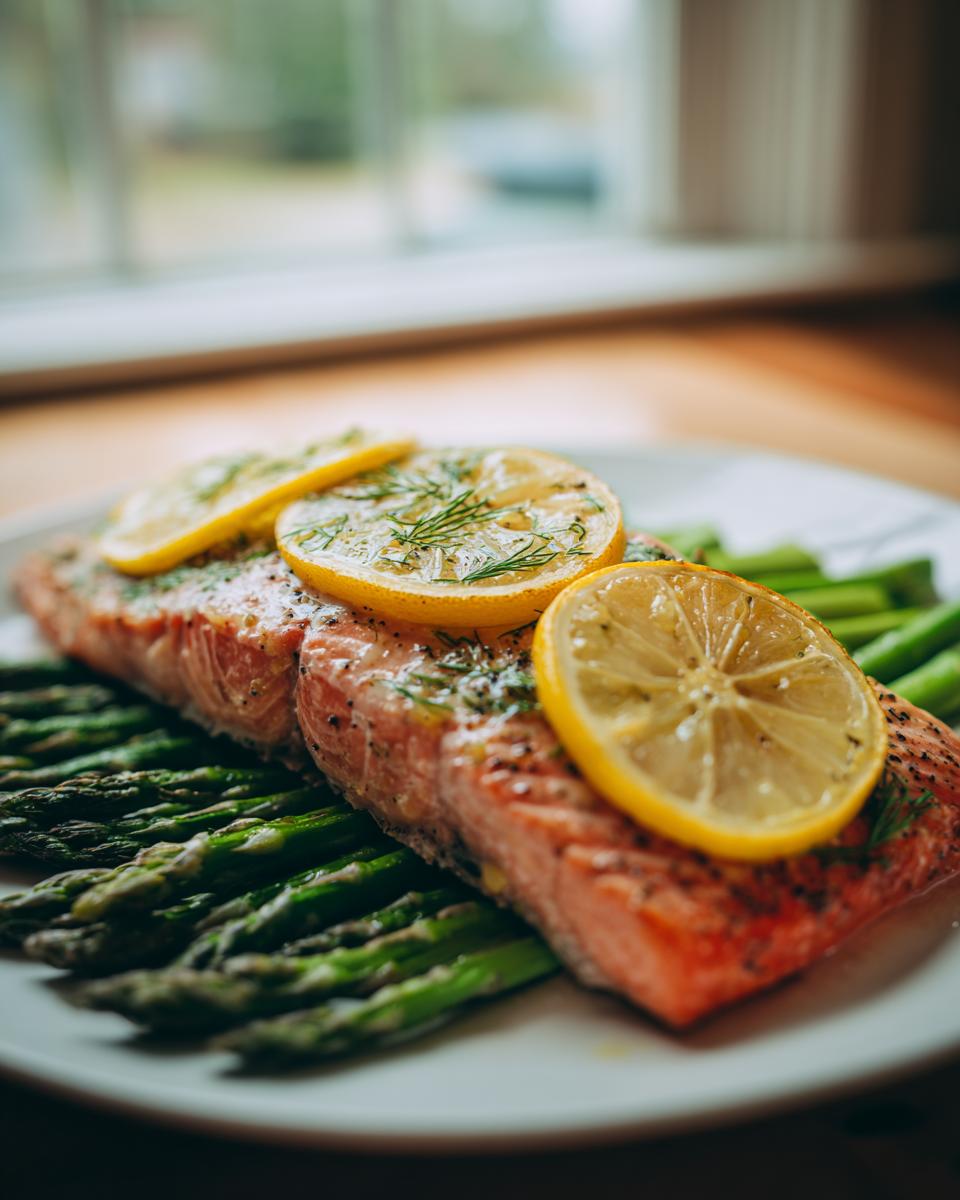
For one serving of this Simple Baked Salmon with Asparagus, here is what we’re generally looking at:
- Calories: Around 350. That is an excellent profile for a satisfying dinner!
- Protein: A huge 35 grams. That’s why you feel so full and satisfied after eating this, no midnight snacking guaranteed.
- Fat: About 20 grams. Most of this is the good stuff from the salmon, the essential omega-3s your brain loves.
- Carbohydrates: Only about 8 grams. Mostly coming from the asparagus, keeping things nice and low.
You also get a great boost of Vitamin A from the asparagus, which is always a bonus! Remember, if you add a side of brown rice or quinoa (like I suggested earlier), you’ll need to adjust these totals accordingly to account for those extra carbs and calories. But without sides? This is lean, clean, and delicious fuel!
Share Your Success with These Clean-Eating Reset Recipes
Alright, that’s the whole delicious, easy meal covered! Now, listen, I truly want to hear from you. When you’re deep into a reset phase, sometimes success is just getting a healthy meal on the table without ordering pizza. That counts as a huge win!
I pour my heart into making these Clean-Eating Reset Recipes as straightforward as possible so they actually stick in your routine. So when you make this baked salmon—and I know you will—please let me know how it goes. Did you finish cleaning up in under five minutes? Did your kids actually eat the asparagus?
Don’t be shy! Hop down to the comments section below. I’d love for you to rate this recipe with stars—five stars if it saved your dinner plans, zero stars if the smoke alarm went off (oops, we can fix that!).
Seriously, sharing your experience helps everyone else who is just dipping their toes into healthy eating see how totally achievable this lifestyle is. Drop a photo if you made one of the veggie swaps, or tell me which side dish you added to make it a complete feast for your reset. I’m cheering you on from my kitchen! Happy cooking!
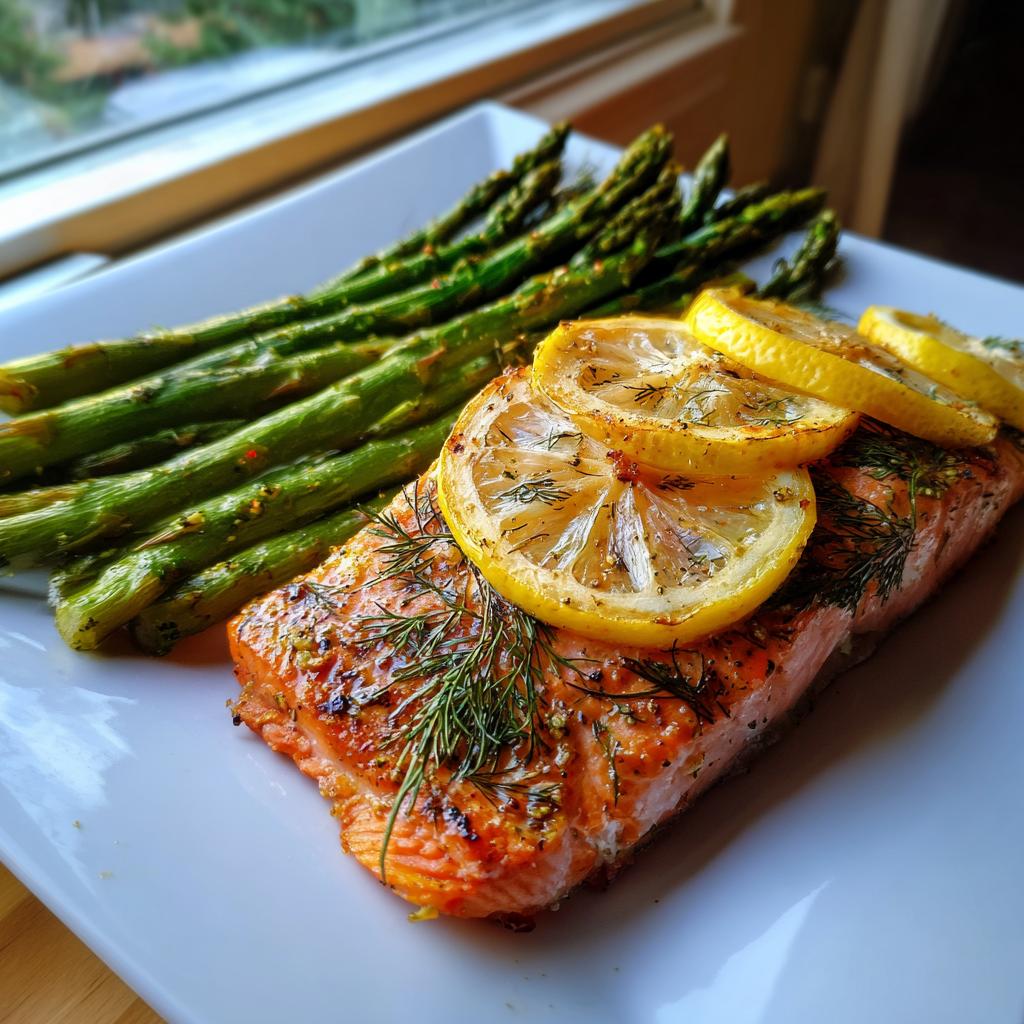
Simple Baked Salmon with Asparagus
Ingredients
Equipment
Method
- Preheat your oven to 400 degrees Fahrenheit (200 degrees Celsius). Line a baking sheet with parchment paper.
- Place the trimmed asparagus on one side of the prepared baking sheet.
- Place the salmon fillets on the other side of the baking sheet.
- Drizzle the olive oil over both the salmon and the asparagus.
- In a small bowl, mix the dried dill, garlic powder, salt, and pepper. Sprinkle this mixture evenly over the salmon fillets.
- Top each salmon fillet with a few lemon slices.
- Bake for 12 to 15 minutes, or until the salmon is cooked through and flakes easily with a fork, and the asparagus is tender-crisp.
- Serve immediately.