
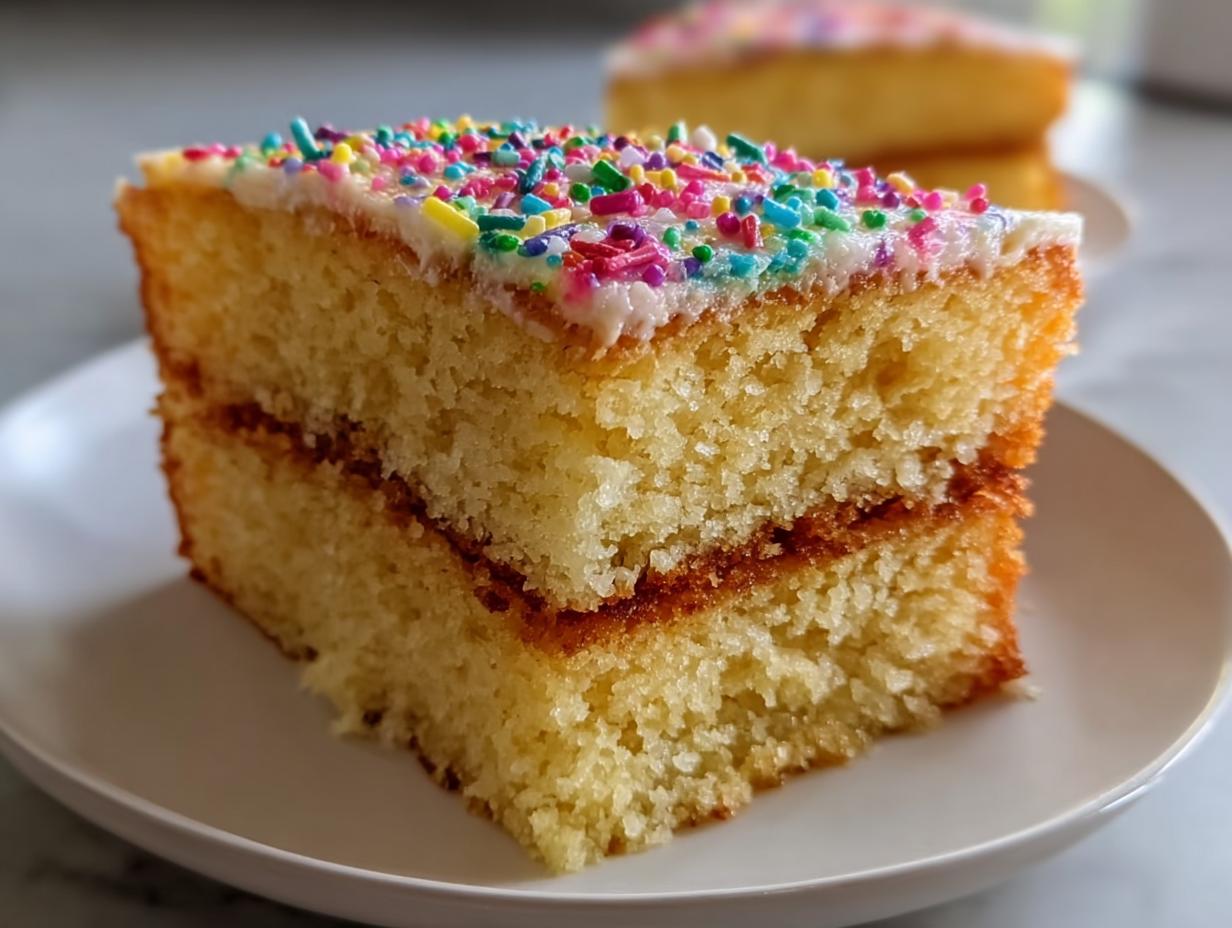
Oh, hello there! I know that look. You’ve made a cake, and while it tasted okay, it just didn’t have *that* professional lift, that perfect, cloud-like tenderness you see in bakeries. I’ve been there before! Trust me, the biggest difference between a mediocre cake and one that makes everyone ask for the recipe isn’t some secret ingredient—it’s pure technique. That’s why I’m sharing my best advice on **How to Make Cake Ideas Recipes Like a Pro (2025)** right here.
I remember my early attempts with vanilla cake were disasters. I once baked four layers for my sister’s birthday, and they looked like sad, cracked hockey pucks! I realized I was rushing the basic steps—especially creaming the butter and sugar. It felt tedious, but once I slowed down and respected the process, everything changed. We aren’t just throwing things in a bowl; we’re building structure! If you are ready to ditch the kitchen stress and start creating consistently beautiful Vanilla Cakes, you’re in the right spot to learn the fundamentals.
Defining Your Audience for How to Make Cake Ideas Recipes Like a Pro (2025)
So, who exactly needs this kind of straightforward advice? Honestly, this is for you if you’ve been baking for a little while and you’re ready to level up. You’re not afraid of your oven anymore, but you want your cakes to go from *good* to *WOW*. We’re focusing on the techniques—the little moves that make all the difference in texture and how pretty your finished product looks. If precision matters to you, stick around!
Setting the Tone: Educational and Encouraging How to Make Cake Ideas Recipes Like a Pro (2025)
When we talk about **How to Make Cake Ideas Recipes Like a Pro (2025)**, I want you to know my approach is always education first! I’m not here to give you one magic trick; I’m here to show you *why* certain steps are necessary so you gain confidence. Think of this as learning the foundations of wellness—supporting your body starts with intentional habits, and that’s true in the kitchen too! You’ll find my instructions are super clear, but always wrapped up in encouragement, because baking should be joyful, not stressful.
Mastering your butter temperature or knowing when to stop mixing is what separates the pros from the beginners. Everything we cover here helps you do **How to Make Cake Ideas Recipes Like a Pro (2025)** consistently. If you’re already focusing on clean habits overall, this intentional baking style will fit right in with your healthy approach to food. Check out my general healthy recipes for more ideas on intentional eating that fit your life!
My Journey: From Kitchen Failures to How to Make Cake Ideas recipes like a Pro (2025)
When I first started taking baking seriously, I thought the recipe text was a suggestion rather than a rulebook. I was trying to rush things, especially when it came to incorporating ingredients. I remember one terrible weekend trying to make a simple cake for a friend, and the batter kept separating in the bowl—it looked curdled, oily, and just awful!
I thought my mixer was broken or maybe the eggs were bad, but nope! The real issue was that I wasn’t letting the butter and sugar cream long enough. Truly creaming them creates those tiny air pockets that give vanilla cake its famous lift and lightness. Once I forced myself to stop looking at the timer and instead waited until that mixture was genuinely pale and fluffy—like fluffy whipped clouds—my cakes stopped collapsing!
That realization, that technique matters more than speed, was my big breakthrough in learning **How to Make Cake Ideas Recipes Like a Pro (2025)**. It taught me that slowing down and respecting the science behind the ingredients actually saves you time in the long run because you aren’t throwing away failed batches!
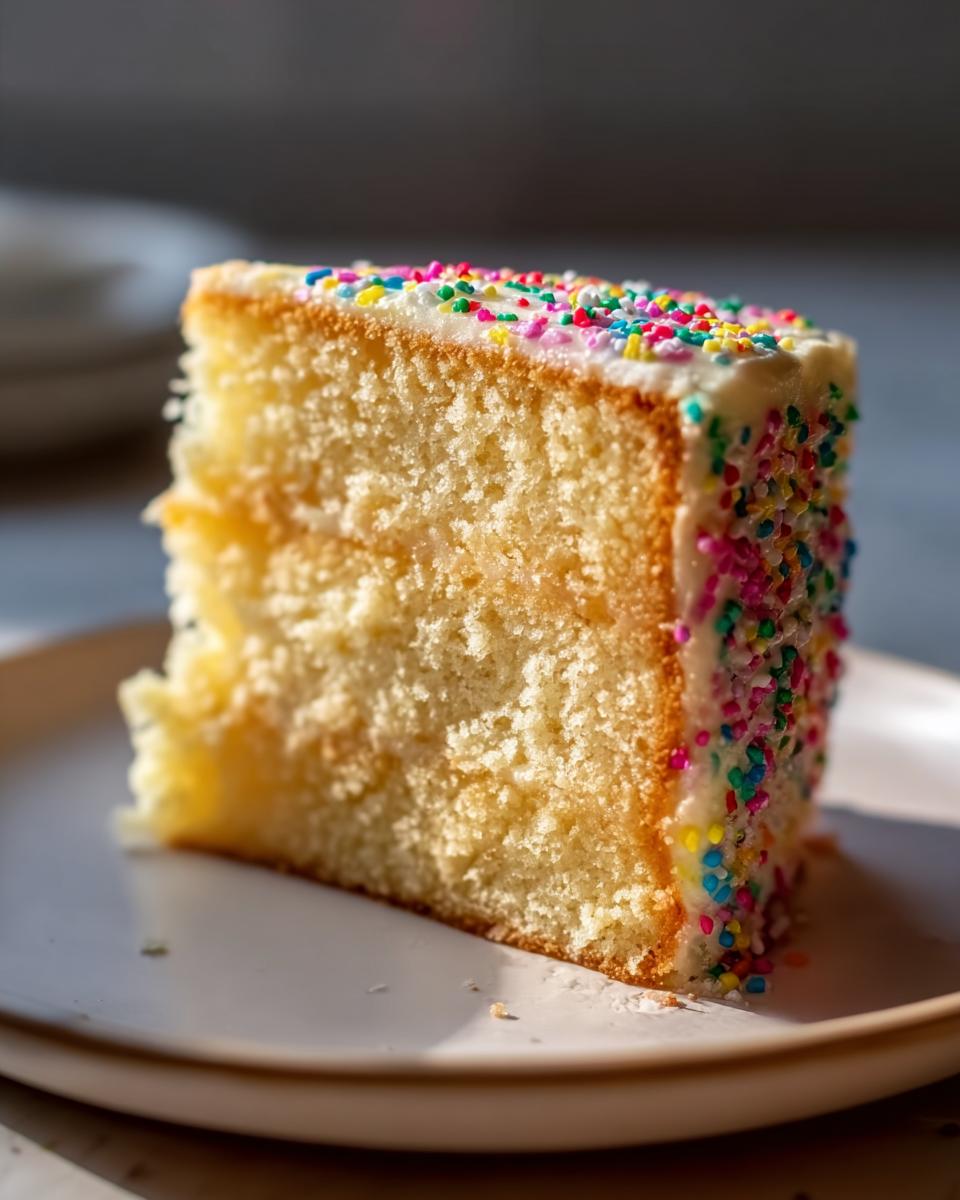
Essential Equipment for How to Make Cake Ideas Recipes Like a Pro (2025)
Okay, let’s talk tools! Nobody succeeds aiming to **How to Make Cake Ideas Recipes Like a Pro (2025)** using mismatched equipment, right? If you want consistent cakes, you need reliable gear. For this beautiful simple vanilla cake, you absolutely must have:
- Two 8-inch round cake pans. Make sure they are the same size!
- A good electric mixer—handheld works, but a stand mixer makes creaming butter so much easier.
- A couple of sturdy mixing bowls for separating your wet and dry ingredients.
My biggest tip here for consistency? Invest in decent cake pans. Cheap, thin pans heat unevenly, which means one side of your cake bakes faster than the other, leading to domes and uneven settling. When you’re aiming for that pro look, flat, evenly baked layers are everything. Don’t skip out on the basics!
Ingredient Precision: The Key to How to Make Cake Ideas Recipes Like a Pro (2025)
This is where precision really separates the pros. We aren’t just eyeballing things when we try to make cake ideas recipes look like they came from a professional kitchen. For this specific vanilla cake, pay attention to the notes in the instructions.
First, the flour needs to be sifted. Sifting gets rid of lumps, yes, but more importantly, it aerates the flour, which contributes directly to that light texture we love. Second, and this is crucial for creaming: your butter must be softened, but not melted! It should yield gently when you press it, but still be cool to the touch. If it’s too soft, the batter looks greasy when you mix the sugar in. These small preparatory steps ensure perfect measurements and mixing, leading straight to beautiful results.
Mastering the Vanilla Cake: Step-by-Step Instructions for How to Make Cake Ideas Recipes Like a Pro (2025)
Alright, here’s where the rubber meets the road—the moment you combine everything to finally learn **How to Make Cake Ideas Recipes Like a Pro (2025)**. First things first: get that oven ready! You need to preheat it to 350 degrees F (175 degrees C). While it’s warming up, take those two 8-inch round pans and grease them really well, then dust them with flour so nothing sticks. Trust me, no one wants a cake glued to the bottom!
Next, we separate our teams. In a medium bowl, whisk together your 3 cups of sifted flour, the baking powder (1.5 teaspoons), and the salt (half a teaspoon). Just give that a quick mix and set it aside. It’s resting, waiting for its big moment.
Now for the magic foundational step! In your big bowl, you need to cream that 1 cup of softened butter with the 2 cups of sugar. Use that electric mixer and beat it until it looks genuinely light and fluffy—usually about three to five minutes. If you’re rushing this step, your cake will be dense, guaranteed. After that, bring in those 4 large eggs, one at a time, mixing well after each one joins the party. Then, stir in the 2 teaspoons of vanilla extract.
This next bit is crucial for texture! You must alternate adding your dry mix and the 1 cup of milk. Start with the dry ingredients, mix briefly, then add some milk, mix briefly, and so on. Always finish with the dry ingredients. This keeps the batter smooth and prevents gluten from getting too tough. Once everything is *just* combined, stop mixing immediately!
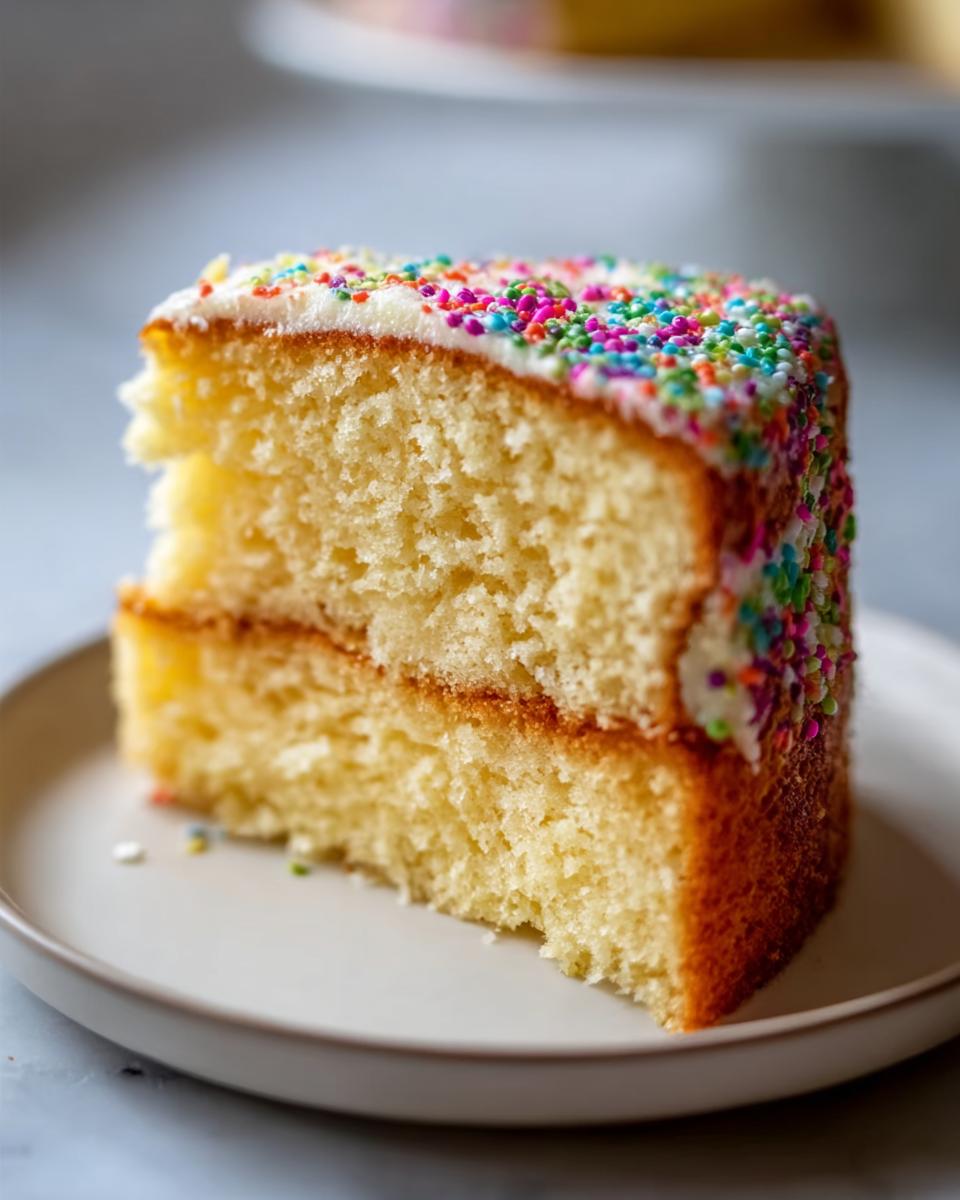
Divide that beautiful batter evenly between your two pans. Pop them into the oven and bake for about 25 to 30 minutes. You are done when a simple wooden pick inserted right into the center comes out clean. The cooling process is just as important as the baking; let them chill in the pans for 10 minutes before turning them out onto a wire rack to cool completely. Seriously, don’t even think about frosting them until they are totally cool, or your frosting will turn into a sad soup! For more tips on great recipes you can make ahead, check out these easy dinner recipes that save you time later!
Pro Tip for Achieving a Tender Crumb in Your How to Make Cake Ideas Recipes Like a Pro (2025)
The biggest mistake folks make when they are trying to master cake making is overmixing once the flour touches the butter mixture. Once you start adding the flour, your goal switches immediately from ‘building volume’ to ‘gently combining ingredients.’ If you beat that batter too long after the flour goes in, you develop too much gluten—that’s what gives bread its chew, but it leaves your cake tough, crumbly, and sad. Mix only until you see the last streak of flour disappear. It should feel like just barely combined. That gentle hand is what gives you that unbelievably tender crumb every single time.
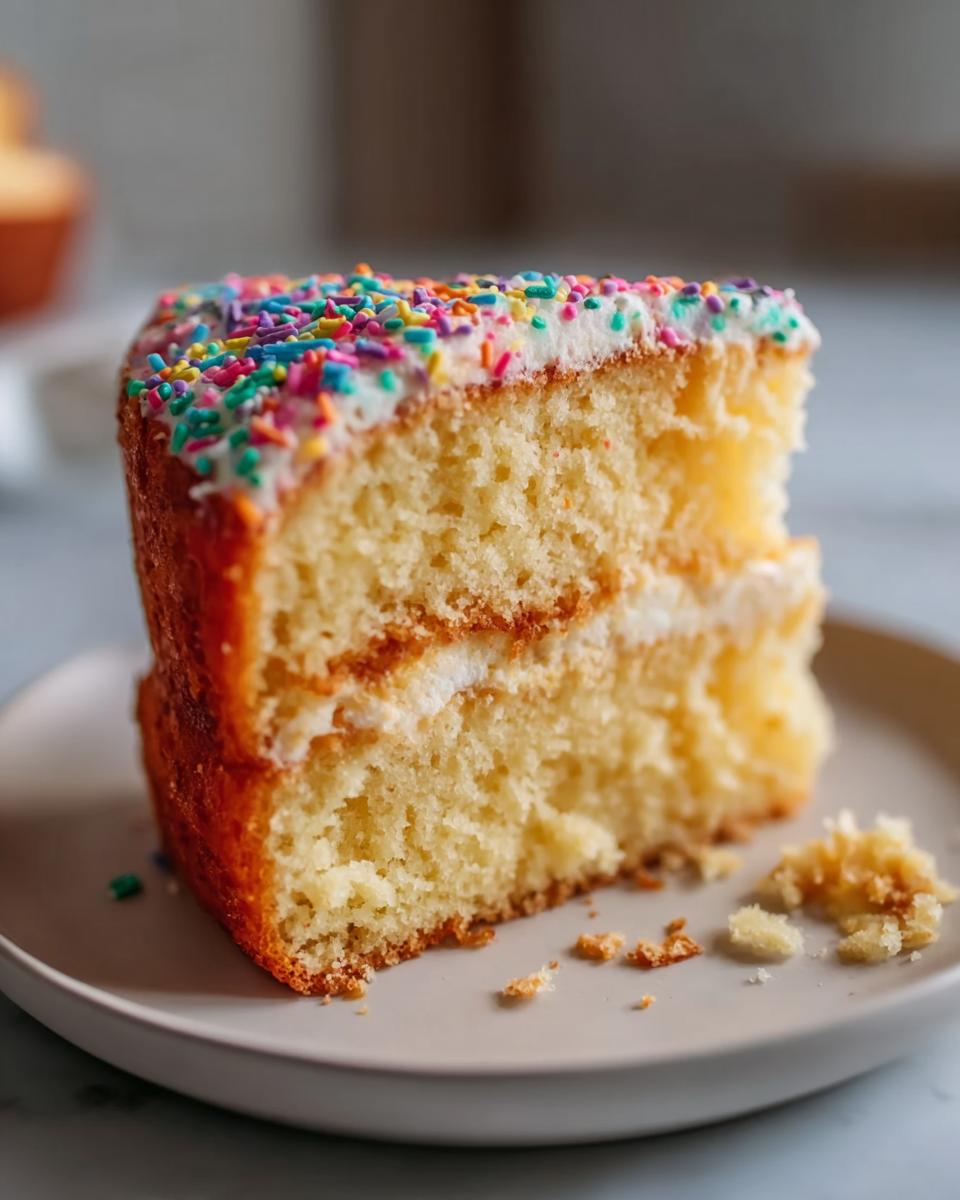
Ingredient Notes and Substitutions for How to Make Cake Ideas Recipes Like a Pro (2025)
When you’re looking to consistently make cakes like a pro, you have to pay attention to the details of what goes *into* the bowl. It’s not just about the measurements; it’s about the state of the ingredients! Remember how we stressed the softened butter? That’s because room temperature butter traps air when it creams with sugar—that’s volume you can’t fake later!
For the milk in this simple vanilla cake, I always steer people toward whole milk, and here’s why: the higher fat content acts as an emulsifier and tenderizer. It coats the flour particles just enough so they don’t grab onto each other too tightly, which keeps our final texture soft instead of dry. If you only have lower-fat milk, you can use it, but don’t be surprised if the cake is slightly less rich.
Now, for a fantastic little swap that adds an amazing tang and even more moisture: buttermilk! If you have buttermilk on hand, it swaps perfectly for the regular milk here, cup for cup. The acidity in the buttermilk reacts beautifully with the baking powder, giving you a slightly finer, tangier crumb that is just delicious. It’s a tiny adjustment that makes a big impression! Just make sure your eggs are also at room temperature so everything blends seamlessly when you mix them in.
Storage and Reheating: Keeping Your How to Make Cake Ideas Recipes Like a Pro (2025) Fresh
Baking a gorgeous cake to learn **How to Make Cake Ideas Recipes Like a Pro (2025)** is only half the battle; keeping it fantastic until it’s time to eat is just as important! Since this is a basic but delicious vanilla cake, you want to protect that tender crumb you worked so hard to create.
If you only baked the layers and haven’t frosted them yet—which I advise waiting until they are totally cool—wrap each cooled layer tightly in plastic wrap, maybe even add a layer of aluminum foil over the plastic if you plan to store them for more than a day. They can hang out on the counter for about 2 days, or you can absolutely freeze them like this! Frozen cake layers stay perfect for up to two months; just thaw them on the counter still wrapped up.
Once the cake is frosted, it needs a slightly different approach. A frosted cake hates the refrigerator because it dries things out! If you need to keep it cool or it has a cream cheese frosting, definitely cover it loosely with a cake dome or an inverted bowl. If you’re not frosting it right away, but you baked it today, you can store it at room temperature if you have cool, dry air. If you have leftover cake slices, and someone inevitably takes one later, they won’t last long, but storing them wrapped at room temperature keeps them freshest for about three days.
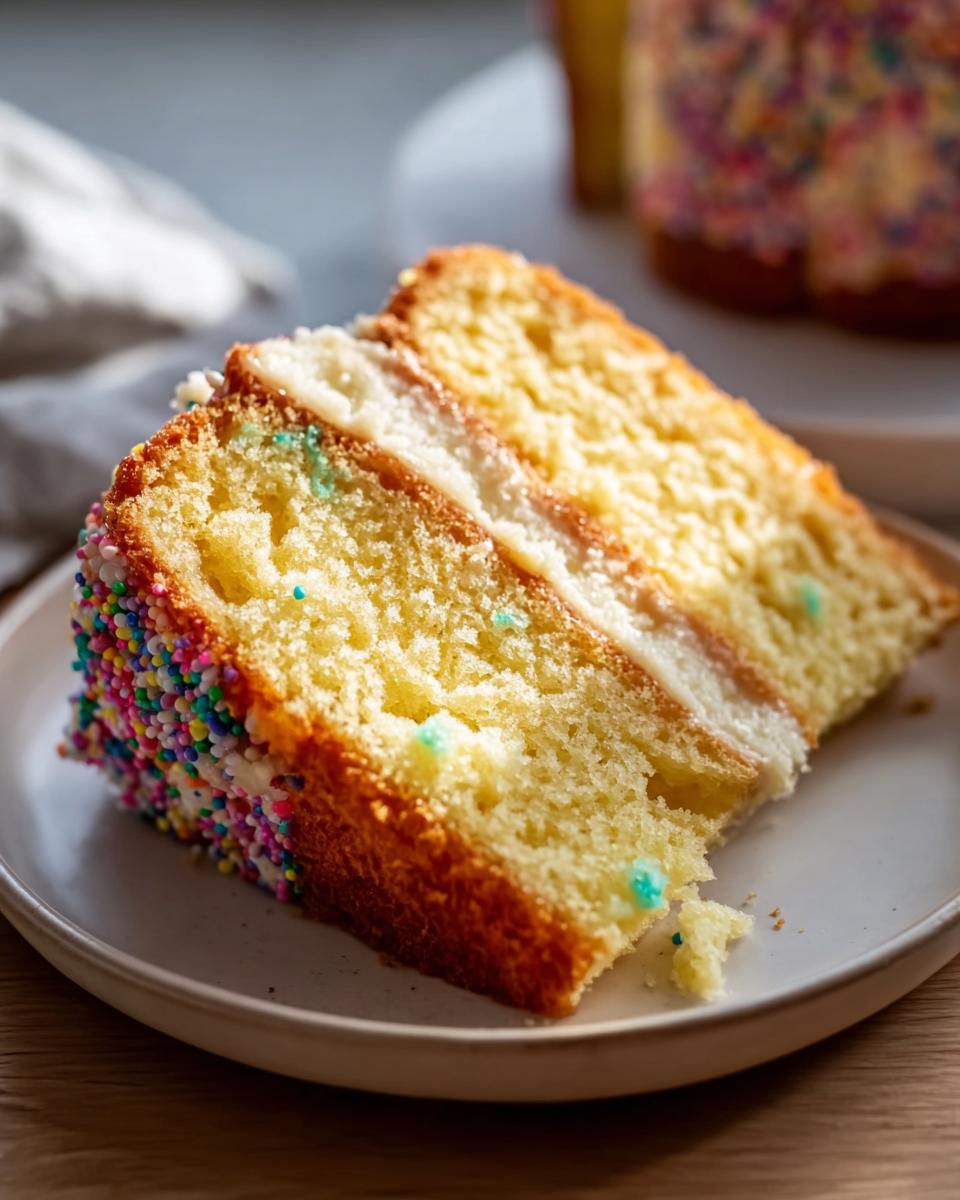
Now, if you’re wondering about reheating leftovers—because sometimes you just want that fresh-from-the-oven feeling—I have a small trick! Don’t try to microwave the whole slice, that gets rubbery fast. Instead, wrap an individual slice loosely in a damp paper towel. Pop that in the microwave for just 10 to 15 seconds. That little bit of steam from the towel brings back the moisture and warms it up perfectly, so it tastes almost freshly baked! If you love making things ahead of time—whether it’s dessert like this or a big batch of dinner—check out these tips on make-ahead healthy lunch and dinner ideas!
Frequently Asked Questions About How to Make Cake Ideas Recipes Like a Pro (2025)
Even when you follow the best advice on **How to Make Cake Ideas Recipes Like a Pro (2025)**, sometimes little mysteries pop up in the oven. Don’t panic! Most baking issues come down to one of three simple things—temperature, measurement, or mixing. Here are the few questions I get asked most often by bakers who are stepping up their game!
Why did my cake sink right in the middle?
Oh, I hate that sunken center! Usually, a sinking cake means one of two things happened. Most often, you pulled it out of the oven too soon. The structure wasn’t set yet, and when that cooler air hit it, gravity won. That’s why testing with a toothpick, like we talked about, is so important—you need to see dry crumbs, not just a hint of wetness! Less common, but still possible, is that you opened the oven door too many times while it was baking, causing a sudden temperature drop that made the unset center collapse.
Do I absolutely have to use an electric mixer for the creaming step?
If you want to learn **How to Make Cake Ideas Recipes Like a Pro (2025)**, I have to say: yes, please use an electric mixer for creaming the butter and sugar! Yes, my grandmother did it by hand, but that took her about 10 minutes of hard arm work! The electric mixer creates those tiny, essential air pockets needed for lift and volume far more efficiently than hand mixing allows. If you try to do this step with just a spoon, you’ll likely end up with dense cake, not the light, tender crumb you’re aiming for. It’s worth the effort to use the mixer here!
What if I don’t have granulated sugar? Can I use brown sugar for everything?
That’s a great question when you’re running low in the pantry, but this is where ingredient precision matters! Granulated sugar (the white kind) adds structure and a delicate texture because of how it traps air when creamed with the butter. Brown sugar, while delicious, is packed with molasses, which adds moisture and density. Substitutes are fine for things like adding a little extra flavor, but switching all the granulated sugar for brown sugar will result in a much heavier, slightly gummy cake structure.
How do I level a cake top so my frosting looks professional?
This is a game-changer for layers! If your cakes bake up with a dome, you need to level them. Once the cakes are completely cool, take a long, serrated bread knife—not a smooth one! Hold the knife parallel to the counter and gently saw across the dome until the top is perfectly flat. It sounds scary cutting into your beautiful cake, but trust me, this is why pros do this! You can use the leftover scraps for cake pops or just eat them with a fork while you clean up. For more helpful tips on keeping your eating intentional and clean, you might want to look into diet recipes that still feel satisfying.
Next Steps in Your Baking Journey
Now you have the blueprint for making a truly fantastic vanilla cake from scratch. Remember what we talked about: technique beats fancy ingredients almost every time! Don’t wait for a big occasion; grab your butter and sugar this week and practice those creaming and alternating steps.
The real secret to mastering **How to Make Cake Ideas Recipes Like a Pro (2025)** is repetition. Try this simple vanilla cake recipe twice this month, focus on one technical detail each time—maybe watch your creaming time closely the first time, and focus only on gentle mixing the second time. Bake often, taste everything, and don’t be afraid of the process!
By EMILIA, the founder of MeltItClean.com – your digital space for natural weight loss, real wellness habits, and clean-living inspiration that actually fits your life. For years, I struggled with the ups and downs of dieting. I tried everything — juice cleanses, low-carb crazes, fitness challenges — but I always ended up back where I started: tired, bloated, and frustrated. I didn’t just want to “lose weight” — I wanted energy, mental clarity, glowing skin, and confidence without sacrificing my joy or sanity. After years of experimenting, learning, and unlearning, I discovered a simple truth: your body is already powerful — it just needs support, not restriction. That’s when I created Melt It Clean — a site dedicated to real transformation through clean, intentional, and nourishing daily habits that anyone can follow. My goal was simple: build a place where people could feel informed, supported, and empowered without being overwhelmed by wellness fads.
Next Steps in Your Baking Journey
Now you have the blueprint for making a truly fantastic vanilla cake from scratch. Remember what we talked about: technique beats fancy ingredients almost every time! Don’t wait for a big occasion; grab your butter and sugar this week and practice those creaming and alternating steps.
The real secret to mastering **How to Make Cake Ideas Recipes Like a Pro (2025)** is repetition. Try this simple vanilla cake recipe twice this month, focus on one technical detail each time—maybe watch your creaming time closely the first time, and focus only on gentle mixing the second time. Bake often, taste everything, and don’t be afraid of the process!
By EMILIA, the founder of MeltItClean.com – your digital space for natural weight loss, real wellness habits, and clean-living inspiration that actually fits your life. For years, I struggled with the ups and downs of dieting. I tried everything — juice cleanses, low-carb crazes, fitness challenges — but I always ended up back where I started: tired, bloated, and frustrated. I didn’t just want to “lose weight” — I wanted energy, mental clarity, glowing skin, and confidence without sacrificing my joy or sanity. After years of experimenting, learning, and unlearning, I discovered a simple truth: your body is already powerful — it just needs support, not restriction. That’s when I created Melt It Clean — a site dedicated to real transformation through clean, intentional, and nourishing daily habits that anyone can follow. My goal was simple: build a place where people could feel informed, supported, and empowered without being overwhelmed by wellness fads.
If you’re ready to take these baking fundamentals and apply them to your intentional living journey, know that I’m cheering you on every step of the way! You can learn more about how I approach clean living and habits over on my About Me page. Happy baking!
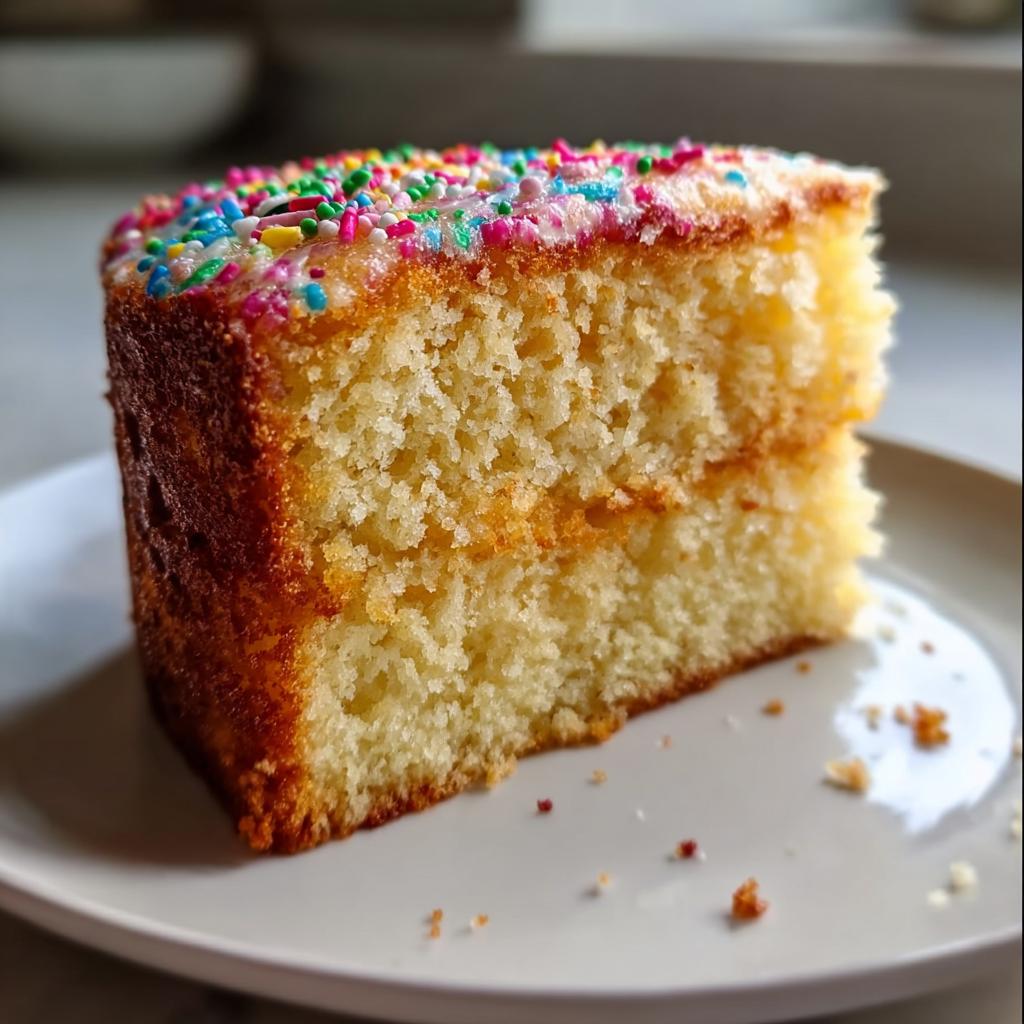
Simple Vanilla Cake
Ingredients
Equipment
Method
- Preheat your oven to 350 degrees F (175 degrees C). Grease and flour two 8-inch round cake pans.
- In a medium bowl, whisk together the sifted flour, baking powder, and salt. Set this mixture aside.
- In a large bowl, use an electric mixer to cream the softened butter and sugar together until the mixture is light and fluffy. This takes about 3 to 5 minutes.
- Beat in the eggs one at a time, mixing well after each addition. Stir in the vanilla extract.
- Gradually add the dry ingredient mixture to the wet ingredients, alternating with the milk. Begin and end with the dry ingredients. Mix only until just combined; do not overmix.
- Divide the batter evenly between the prepared cake pans.
- Bake for 25 to 30 minutes, or until a wooden pick inserted into the center comes out clean. You may need to adjust time based on your oven.
- Let the cakes cool in the pans for 10 minutes before inverting them onto a wire rack to cool completely before frosting.